
METAMORA FILMS • 2015

The Forgiveness Journey Film

Forgiveness is rarely simple.

A deeply personal 73-minute documentary exploring forgiveness, compassion, emotional healing, and the possibility of second chances.

Directed and produced by Matt Duhamel, the film brings together personal stories with perspectives from psychologists, authors, and religious leaders. Along the way, Duhamel also turns the camera toward his own life and experiences.

FILMED IN Portland, Oregon
AND Salt Lake City, Utah
RUNTIME 73 Minutes
RELEASED 2015
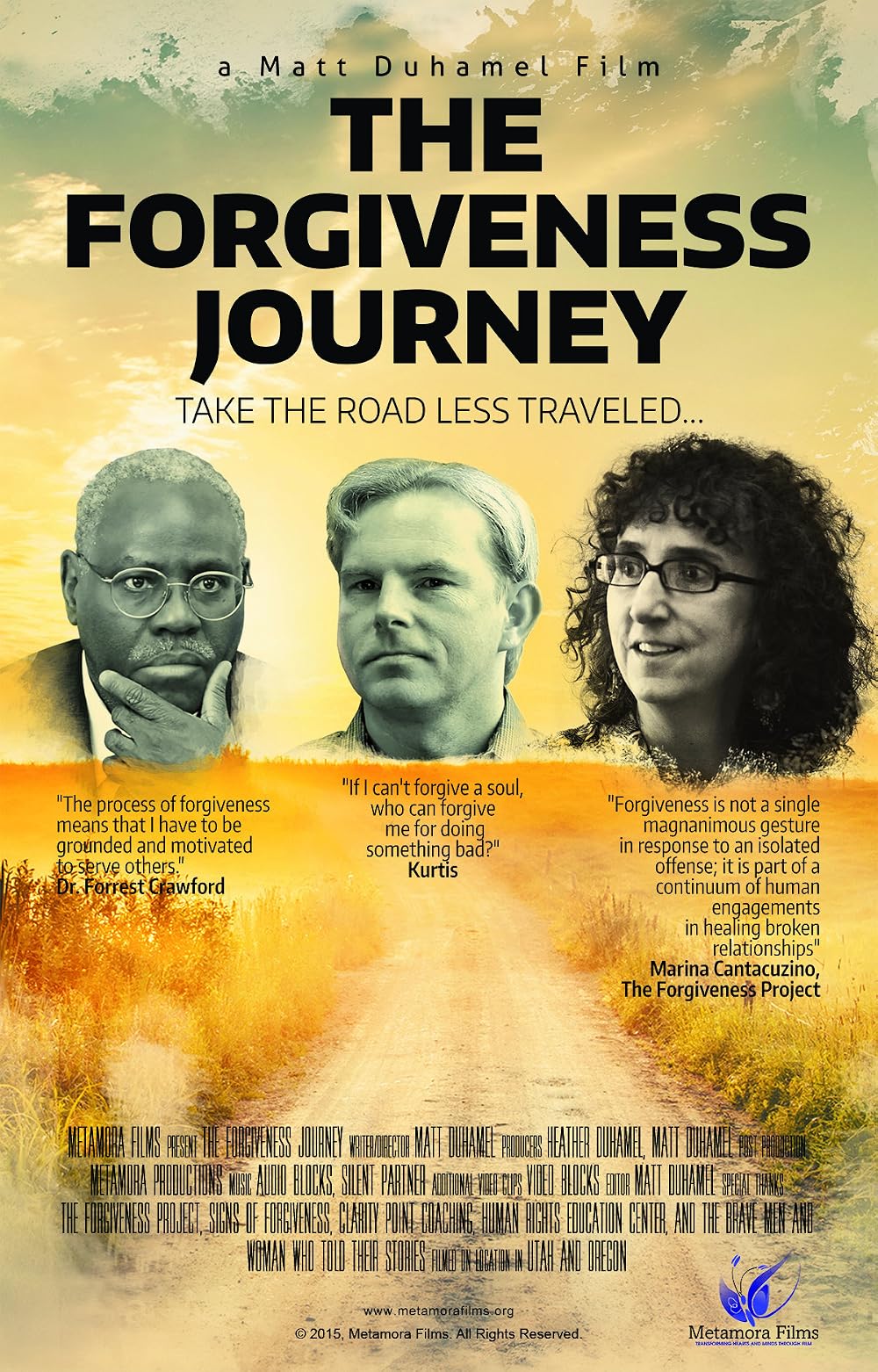
The Forgiveness Journey Film documentary cover artwork
ORIGINAL DOCUMENTARY A Matt Duhamel Film
FORGIVENESS COMPASSION SECOND CHANCES HEALING
INSIDE THE DOCUMENTARY

Forgiveness becomes different when it becomes personal.

The Forgiveness Journey Film explores forgiveness through people whose experiences make the subject deeply personal, complicated, and sometimes difficult to resolve.

Filmed in Portland, Oregon, and Salt Lake City, Utah, the documentary brings together personal stories with conversations involving psychologists, authors, religious leaders, and other voices exploring forgiveness and emotional healing.

Rather than presenting forgiveness as a simple answer, the film examines difficult questions about anger, accountability, compassion, reconciliation, and what it takes to move forward.

AT THE HEART OF THE FILM
What does forgiveness ask of us when the past cannot simply be undone?
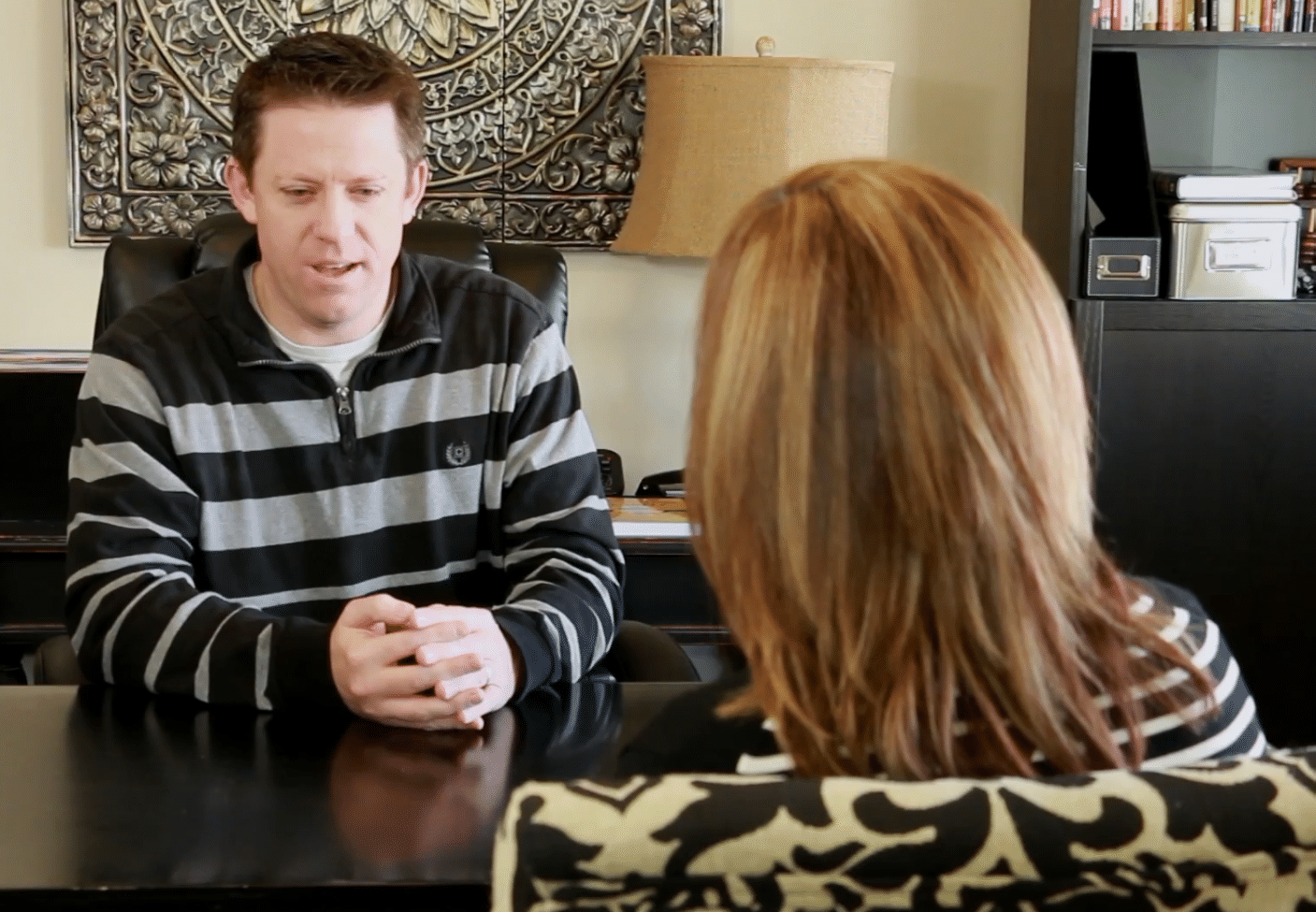
Matt Duhamel discussing his personal story in The Forgiveness Journey Film
DIRECTOR & SUBJECT Matt Duhamel

THE FILMMAKER BECOMES PART OF THE STORY

Turning the camera toward himself.

For director Matt Duhamel, The Forgiveness Journey became more than a film about other people's experiences. He also chose to examine forgiveness through events in his own life.

Duhamel shares the story of his 2006 arrest and conviction for a sex offense and the consequences that followed. At the time the documentary was produced, one of the most painful of those consequences was his estrangement from his daughter and his inability to rebuild a relationship with her.

During his portion of the documentary, Duhamel sits down with a life coach for a deeply personal conversation about forgiveness. Their discussion explores his struggle to forgive himself while also confronting his feelings toward his daughter's mother and the circumstances surrounding the loss of that relationship.

By stepping in front of the camera, Duhamel places himself inside the same difficult questions he asks of others throughout the film. As a result, forgiveness becomes something lived rather than something observed from a distance.
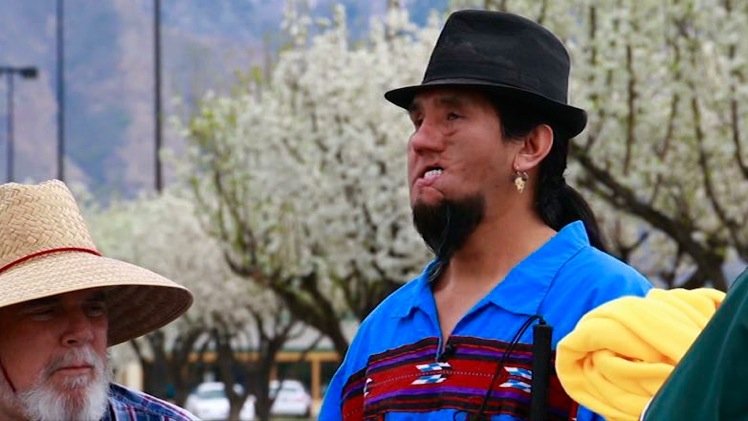
Arnold Thomas featured in The Forgiveness Journey Film
FEATURED STORY Arnold Thomas

SURVIVAL, SPIRITUALITY & HEALING

A journey shaped by survival and resilience.

One of the documentary's larger personal stories centers on Arnold Thomas, a blind Native American spiritual leader and traditional practitioner whose life was shaped by an extraordinary experience of survival.

At 18, Thomas survived a self-inflicted gunshot wound that left him completely blind and required numerous facial reconstructive surgeries. Afterward, he faced the difficult process of rebuilding his life.

Thomas went to Salt Lake City to attend a school for the blind, where he had to relearn basic life skills, independent navigation, and how to speak. He later earned a master's degree in social work.

Over time, Thomas became a Native American traditional practitioner and spiritual advisor. His work included supporting people struggling with substance abuse and working with veterans at the VA Medical Center in Salt Lake City.

In The Forgiveness Journey, Thomas brings another dimension to the film's exploration of healing. His story raises questions about trauma, survival, spirituality, identity, and learning how to continue living after a life-altering experience.

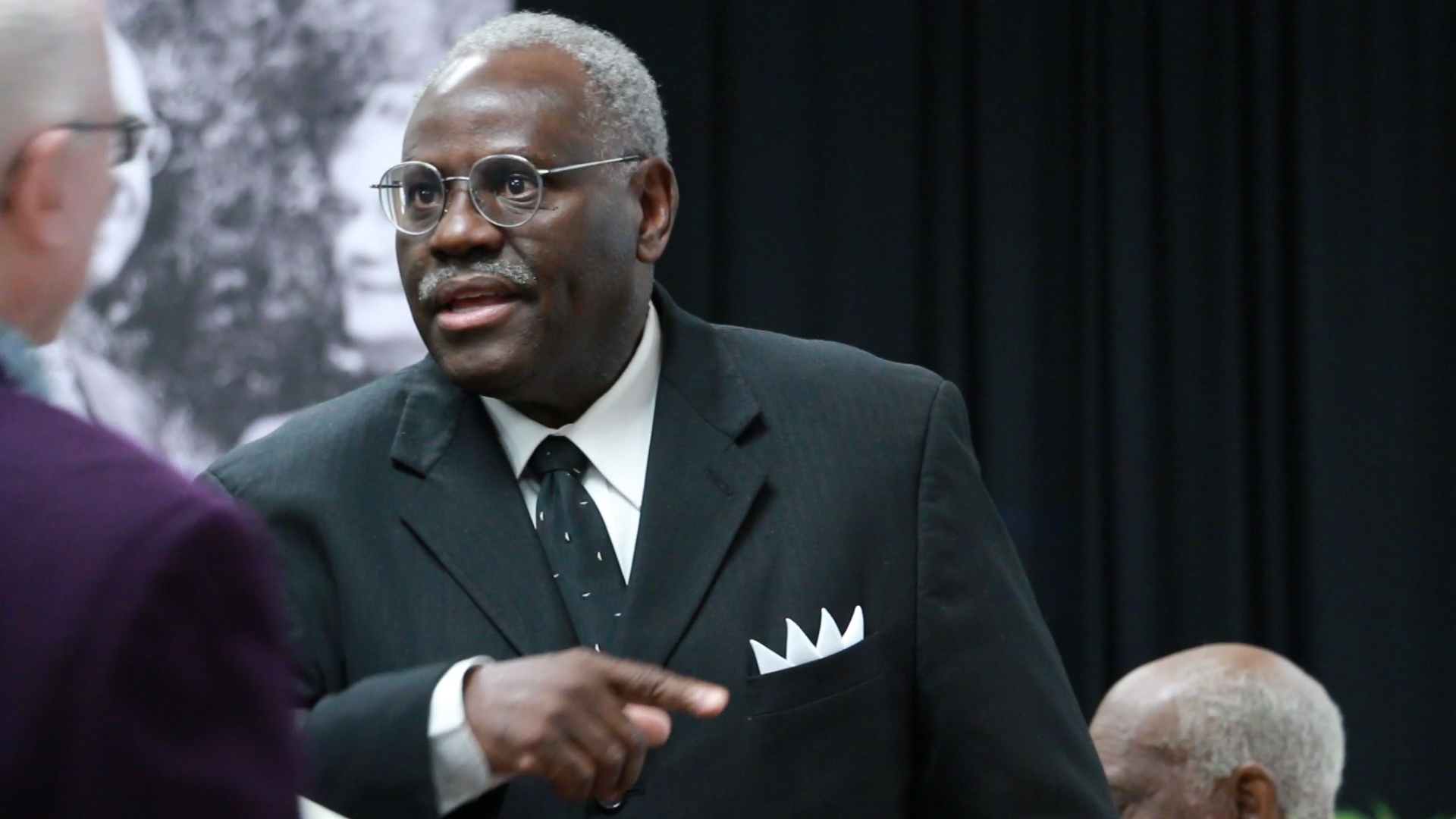
Dr. Forrest Crawford featured in The Forgiveness Journey Film
FEATURED PERSPECTIVE Dr. Forrest Crawford

EDUCATION, HUMAN RIGHTS & HUMAN CONNECTION

Looking at forgiveness through a wider human lens.

Dr. Forrest Crawford was another important voice in the documentary. An educator, social worker, and longtime civic leader in Utah, Crawford brought decades of experience involving education, diversity, human rights, and community relationships to the film's larger conversation.

Crawford earned his bachelor's degree in sociology from Weber State College and his master's degree in social work from the University of Utah. He later earned an education specialist degree and a doctorate in education from Brigham Young University.

His career at Weber State included psychological counseling, teaching, and institutional leadership. In addition, Crawford worked to expand educational opportunities for people of color and disadvantaged communities.

Crawford helped establish the Utah Coalition for the Advancement of Minorities in Higher Education. He also co-founded Utah's Martin Luther King Jr. Human Rights Commission and served as its chairman.

His participation in The Forgiveness Journey helped broaden the documentary beyond individual experiences. Crawford's perspective contributed to a larger conversation about compassion, human relationships, understanding, and how people respond to one another after conflict and harm.

MORE THAN ONE PERSPECTIVE

Personal stories meet psychological and spiritual insight.

Throughout the documentary, personal experiences are placed alongside perspectives from psychologists, authors, religious leaders, and others who have spent time thinking about forgiveness, behavior, relationships, and emotional healing.

These conversations do not reduce forgiveness to a single formula. Instead, they explore why forgiveness can be difficult, how anger and pain affect us, and why forgiving ourselves may be very different from forgiving someone else.

CAN WE FORGIVE WITHOUT FORGETTING? WHAT DOES IT MEAN TO FORGIVE OURSELVES? DOES HEALING REQUIRE RECONCILIATION? CAN WE MOVE FORWARD WITHOUT FORGIVENESS?
THE QUESTIONS BEHIND THE FILM

Forgiveness does not mean the same thing to everyone.

Throughout The Forgiveness Journey, the film approaches forgiveness as a question rather than a conclusion.

For some people, forgiveness can become part of healing. For others, the process may involve accepting what happened without repairing the relationship that was damaged.

At the same time, forgiving another person can be very different from forgiving ourselves. The documentary explores those distinctions through lived experiences, personal reflection, and conversations about the emotional and spiritual dimensions of forgiveness.

01

Forgiving Others

What happens when someone has caused pain that cannot simply be taken back? The film explores the tension between anger, compassion, accountability, and the possibility of letting go.

02

Forgiving Ourselves

Sometimes the person we struggle most to forgive is ourselves. The documentary considers guilt, regret, responsibility, and whether self-forgiveness can exist without ignoring the consequences of our actions.

03

Forgiveness & Reconciliation

Forgiving someone does not necessarily mean restoring a relationship. Throughout the film, another question emerges: can people release anger or pain while still maintaining distance and boundaries?

04

Moving Forward

Ultimately, the documentary asks whether forgiveness is always necessary in order to heal. Rather than offering one answer, the film leaves room for different experiences and different paths forward.

The film does not ask whether people should forgive.

It asks what forgiveness means when real lives are involved.

AN IMPORTANT DISTINCTION

Forgiveness is not necessarily reconciliation.

One of the ideas running through the documentary is that forgiveness can mean different things in different relationships. It does not automatically erase harm, restore trust, or return people to the relationship they once had.

Likewise, moving forward does not always require forgetting what happened. For the people in the film, the journey can involve understanding the past while deciding what role, if any, forgiveness will play in the future.

LEARN MORE & WHERE TO WATCH

Continue The Journey.

The Forgiveness Journey is available to watch online. Stream the full 73-minute documentary free through Culture Unplugged or find it on Prime Video.

A METAMORA FILMS DOCUMENTARY

The Forgiveness Journey represents an earlier chapter in Metamora Films' exploration of complicated human experiences, second chances, and the ways people understand themselves and one another.

2015 73 MINUTES DOCUMENTARY DIRECTED BY MATT DUHAMEL