
Metamora Films Journal
Relationships That Survive Incarceration
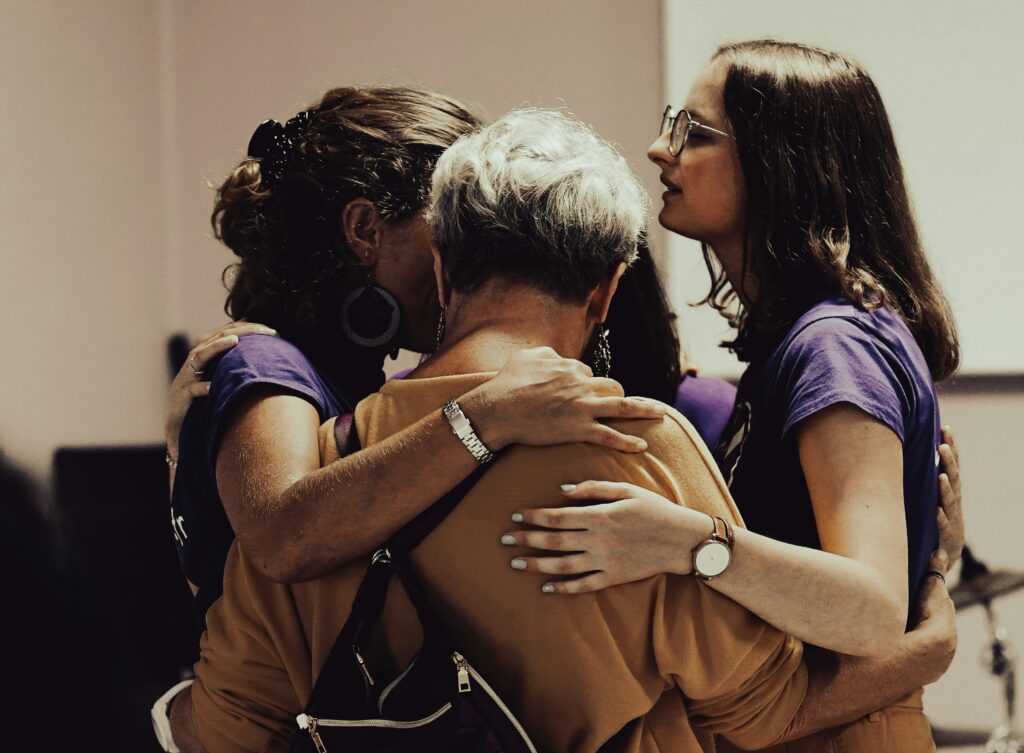
The end of incarceration does not always mean the beginning of belonging.
A person can return home, find work, and build a routine while still wondering where they fit in other people’s lives. Meanwhile, the people who waited may carry their own exhaustion, uncertainty, and unanswered questions.
Relationships That Survive Incarceration are shaped by more than loyalty. They involve trust, accountability, changing expectations, and the everyday decision to keep communicating. For some families, that means reconnecting. For others, it means creating a healthier relationship than the one they had before.
There is no single version of that story. However, looking closely at the people who stay—and the support they need—can help us understand what rebuilding actually asks of everyone involved.
At a glance
What helps a relationship move forward?
- Consistency: following through on small commitments over time.
- Honest communication: making room for disappointment as well as hope.
- Clear boundaries: agreeing on what each person can realistically offer.
- Support beyond the family: sharing practical needs with community organizations and trusted people.
- Room to change: recognizing that returning home does not restore every old role immediately.
The everyday work of connection
Three things worth making room for
Being heard
Listen to what each person experienced, including the parts that are difficult to say.
Showing up
Make small, realistic commitments and follow through consistently.
Sharing the load
Build support beyond one relationship so no person has to carry everything.
The people who stayed have a story, too
When incarceration is discussed, attention often stays on the conviction, the sentence, or the release date. Yet another story unfolds around those events: the partner who keeps answering the phone, the sibling who makes the drive, or the friend who continues sending letters.
Staying connected can involve affection and commitment. At the same time, it can involve lost income, childcare responsibilities, travel, and difficult conversations. Therefore, describing someone as “supportive” should not make their own needs disappear.
The Urban Institute’s 2011 Safer Return evaluation found that participating family members provided substantial material support, particularly housing, despite often having limited resources themselves. That finding puts a practical question beside the emotional one: who supports the supporters?
A fuller account of relationships that survive incarceration includes the burdens carried outside prison walls. It also leaves room for loved ones to say that they need help.

What research tells us about family support
Research offers reasons to take relationships seriously during reentry. However, it does not provide a formula that every family can follow.
The Urban Institute’s Returning Home study , conducted across several states from 2001 to 2006, identified family as a major source of both practical and emotional support after release. Its findings show how closely reentry can depend on the people around a returning person.
Later, the 2012 Families and Reentry report examined family-inclusive case management in Chicago’s Safer Return program. It found strong, positive family relationships, while also identifying difficulties involving relatives directly in services.
Reading the evidence carefully
Three useful distinctions
- Support has different forms. A place to stay, a ride to work, and someone willing to listen meet different needs.
- Connection is not the same as program participation. A relative can care deeply while being unable or unwilling to join a formal service.
- Findings have limits. These studies describe particular groups, places, and periods. They do not show that one relationship guarantees a successful return.
Consequently, a useful conversation begins with the people involved: what help is needed, what help is available, and what would make that support sustainable?

Relationships that survive incarceration need more than a reunion
A reunion can be joyful. Nevertheless, daily life brings questions that a release date cannot answer. Who pays which expenses? How much time will a couple spend together? What happens when someone needs space?
During separation, people develop routines that help them cope. A partner may become used to making every household decision. Children grow older. Friends build new lives. Returning home therefore means joining a life that has continued to change.

For the returning person
Ask about the routines already in place. Show interest in what others experienced, and make commitments you can keep. Acknowledging change can help make space for a new role.
For loved ones
Explain what has changed and what you need now. Be specific about time, money, privacy, and responsibilities. Caring about someone does not require agreeing to every request.
These are practical starting points, rather than a tested checklist. Each relationship needs its own pace, and some people may decide that distance is necessary.
Sometimes the hardest part is not rebuilding your life. It is rebuilding your place in other people’s lives.
Rebuilding trust through everyday actions
Trust rarely returns because someone asks for it once. Instead, it can develop through repeated experiences: arriving when promised, speaking honestly, or accepting a boundary without turning it into an argument.
For that reason, it helps to make expectations concrete. “Be there for me” may mean different things to two people. “Can we talk for twenty minutes on Sunday?” is easier to understand and answer.
- Start small. Choose manageable commitments before making large promises.
- Listen to the impact. Give someone room to explain their experience without immediately defending your own.
- Name the practical limits. Discuss transportation, work schedules, finances, and privacy directly.
- Make repair specific. If a commitment is missed, acknowledge it and explain what will change.
- Allow mixed feelings. Relief, love, anger, and uncertainty can exist together.
Ultimately, relationships that survive incarceration need space for both compassion and accountability. Seeing someone as a whole person does not mean erasing harm or rushing forgiveness.
Children need their own pace after a parent returns
Children may feel excited about a parent coming home. They may also feel uncertain, distant, or angry. Their response should not be treated as a measure of how much they love that parent.
The Urban Institute’s 2018 Father Reentry and Child Outcomes brief explains that a father’s return does not automatically resolve the difficulties associated with incarceration. It emphasizes the complexity of family dynamics and the need to consider children’s experiences.

Meanwhile, the
2019 Model Practices for Parents in Prisons and Jails guide
describes ways institutions can reduce barriers to family
connection, including parent-child communication, parenting
programs, and family-inclusive reentry planning.
In everyday family life, useful questions include:
- What does the child understand about the separation and return?
- Which routines help the child feel settled?
- What kind of contact feels comfortable to the child?
- How can the parent and caregiver avoid placing the child between adults?
- What support does the caregiver need as family roles change?
Above all, a child should not have to manage an adult’s guilt or provide reassurance on demand. Reconnection can begin with ordinary time together, rather than pressure for an immediate emotional reunion.

Belonging can remain complicated years later
The first months after release often center on practical needs. Later, a person may find more room to notice loneliness, changed friendships, or uncertainty about being accepted.
This is a reflection on a possible experience, not a claim that belonging always becomes harder over time. Some people build strong connections quickly. Others encounter setbacks long after they appear settled.
A job and a stable routine matter. However, being included in a meal, invited to contribute, or asked about something unrelated to the past can matter, too. Those moments make room for an identity beyond incarceration.
Connection does not have to begin with family
If family relationships are unavailable or unsafe, a support network may grow through trusted friends, peer groups, community organizations, creative work, or volunteering. The aim is to find settings where people can participate, contribute, and build relationships over time.
No one owes another person contact or reconciliation. At the same time, someone whose relationships have ended still deserves opportunities to find safe, respectful connection elsewhere.
Questions that can open a better conversation
It can be difficult to know where to start. Therefore, beginning with a clear question may be more helpful than trying to resolve the whole relationship at once.
- “What has changed for you that I may not understand yet?”
- “What is one commitment we can realistically make this week?”
- “What kind of support would help, and what would feel overwhelming?”
- “Is there a boundary we need to make clearer?”
- “Who else could help so this does not rest on one person?”
The answers may be uncomfortable. Even so, they can reveal needs that a vague promise to “move forward” leaves unspoken.
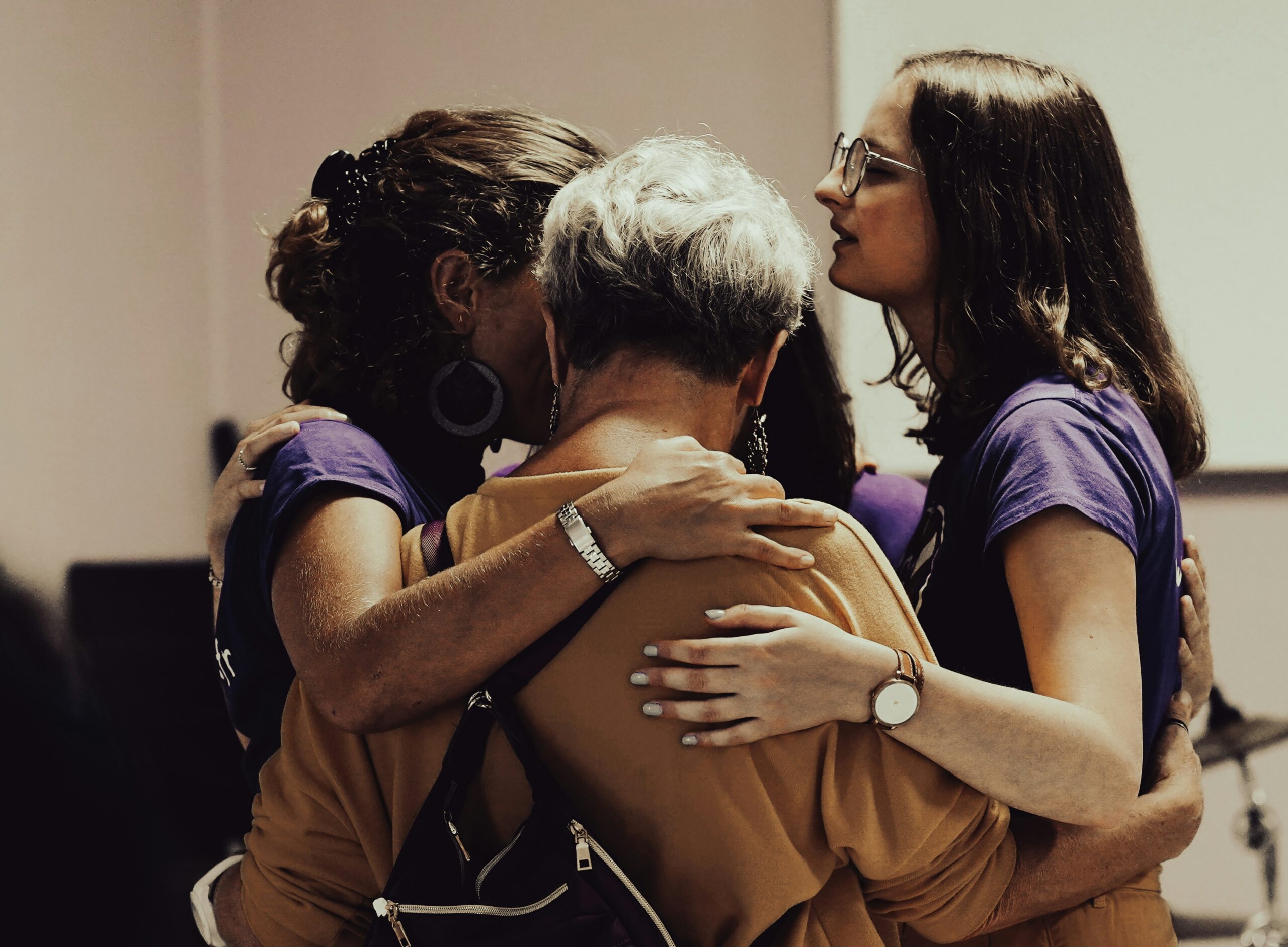
Why these stories deserve to be told
Documentary storytelling can give time and attention to experiences that a release date or a record cannot explain. It can follow the ordinary moments: a conversation at the kitchen table, a tentative visit, or the effort to show up again after a difficult week.
At Metamora Films, that interest connects with Versions of Me, an educational documentary series in development exploring identity, stigma, relationships, and rebuilding after incarceration.
Relationships That Survive Incarceration deserve to be understood in their complexity. Some endure. Some change shape. Some end. Each can reveal something about the work of rebuilding and the limits of what one person can carry.
For schools, nonprofits, and community groups, these stories can open discussion about belonging without asking audiences to ignore accountability. Explore our film courses and workshops or start a conversation about a meaningful storytelling project.
Research and further reading
These sources offer context for the research discussed above. The conversation prompts and everyday suggestions are editorial guidance, not findings from a tested relationship program. Article images illustrate the topic and do not document participants in the cited studies.
- Returning Home: Understanding the Challenges of Prisoner Reentry — Urban Institute; study conducted 2001–2006.
- Impact of Family-Inclusive Case Management on Reentry Outcomes — Urban Institute, 2011.
- Families and Reentry: Unpacking How Social Support Matters — Urban Institute, 2012.
- Father Reentry and Child Outcomes — Urban Institute, 2018.
- Model Practices for Parents in Prisons and Jails — Urban Institute, 2019.