OFFICIAL FILM SYNOPSIS
When a criminal record
follows someone home.
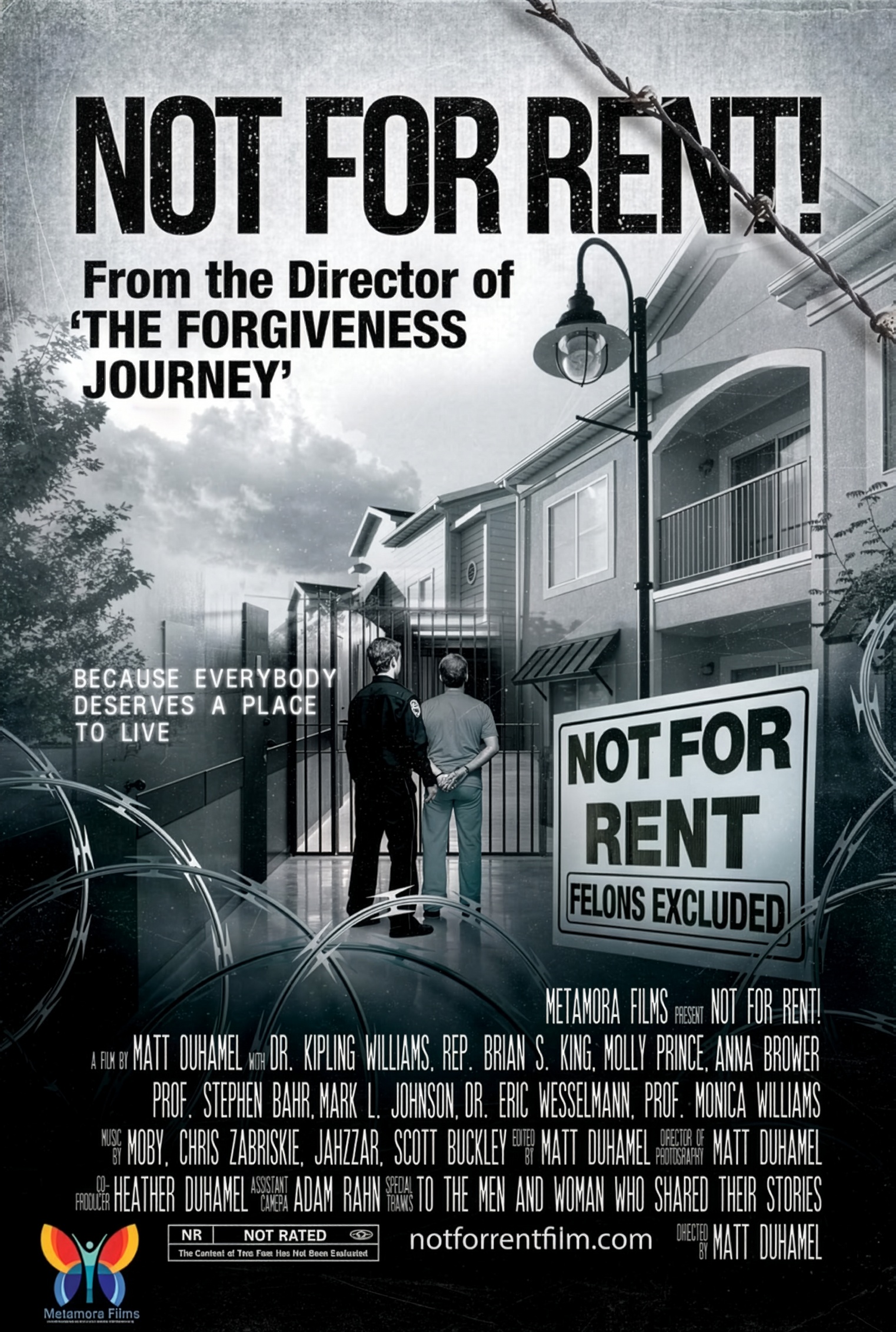
The Not For Rent Documentary Film
examines the rental housing barriers people with felony
records can face while attempting to rebuild their lives
after incarceration.
Through deeply personal stories, the film looks beyond
policies and background checks to show what housing
restrictions can mean for individuals and families trying
to establish stability and move forward.
01
MIKE
Living outside while looking for another chance.
Mike is a registered sex offender living in a tent near
a local ravine while struggling to find traditional housing.
His story explores homelessness, rejection, social stigma,
and the difficulty of finding a landlord willing to look
beyond his past.
02
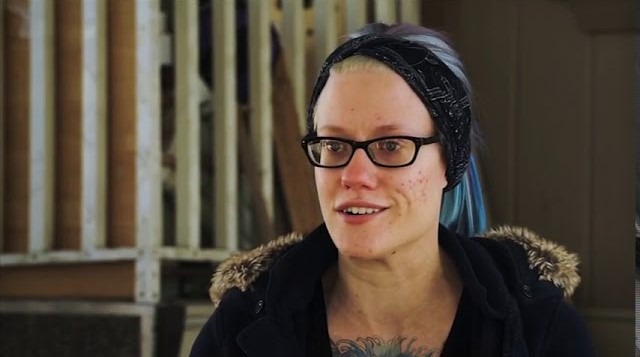
SHAYENNE & JAMES
When reentry becomes a family crisis.
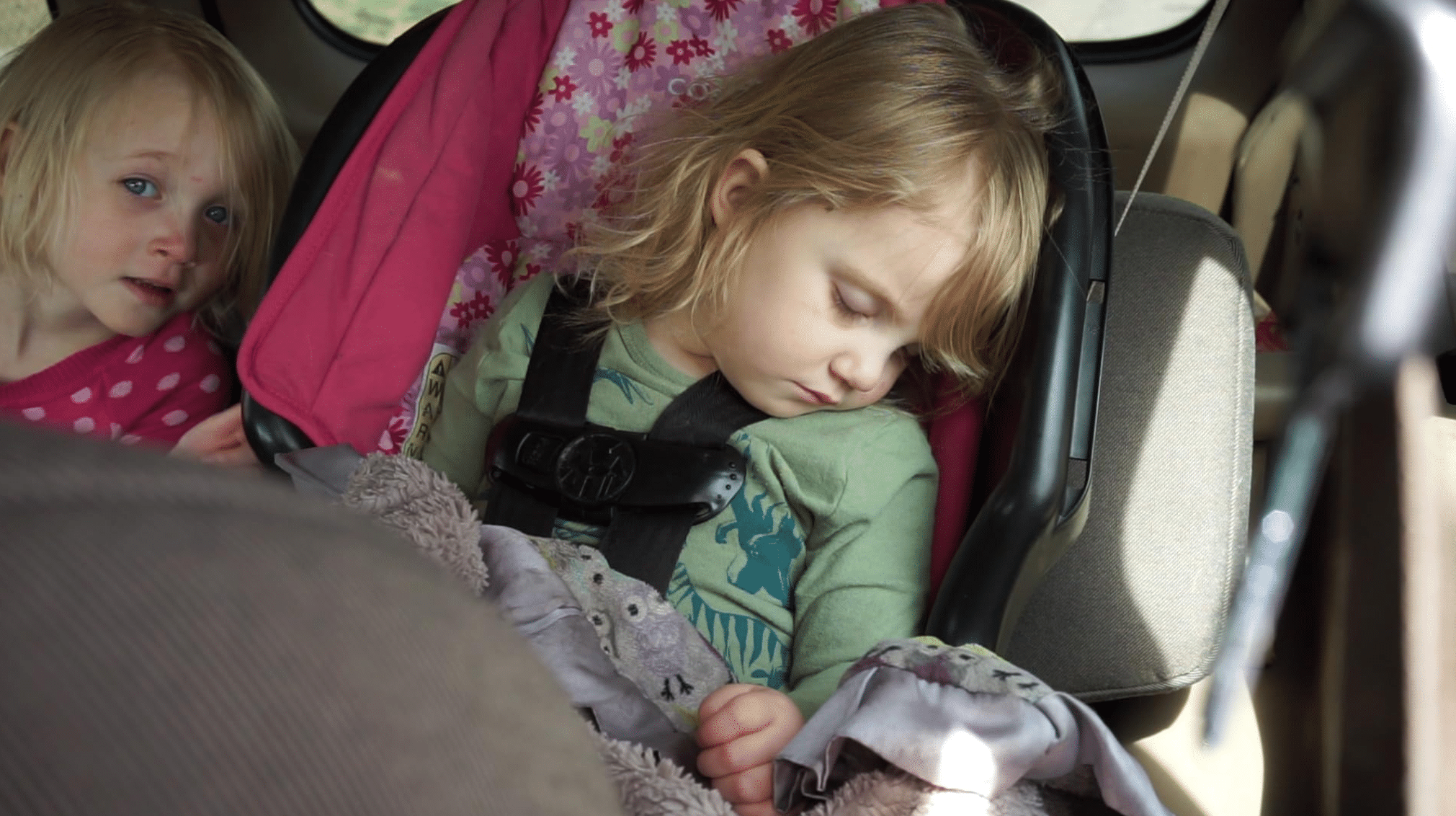
Raising two young daughters, Shayenne and James face
the possibility of losing their housing because of a
drug-related felony conviction from years earlier.
Their experience shows how housing instability can affect
not only the person with the record, but a spouse,
children, and the emotional health of an entire family.
03
TONIA
A decades-old conviction still closing doors.
Tonia lives with disabilities following a serious car
accident while also dealing with the consequences of a
felony conviction nearly three decades old. As she tries
to secure housing, her story raises a difficult question:
how long should a past conviction continue to determine
someone's opportunities?
THE POLICY BEHIND THE STORIES
Utah's Good Landlord Program
Not For Rent! also examines Utah's Good Landlord
Program and the debate surrounding criminal-history rental
restrictions. Supporters argued that the program promoted
responsible property management and neighborhood safety,
while critics questioned whether it created additional
barriers for people attempting to successfully reenter
their communities.
Read More About the Good Landlord Program
↗
THE QUESTION AT THE HEART OF THE FILM
“Doesn’t everybody deserve a place to live?”
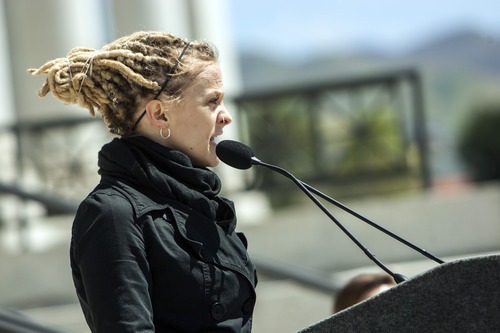
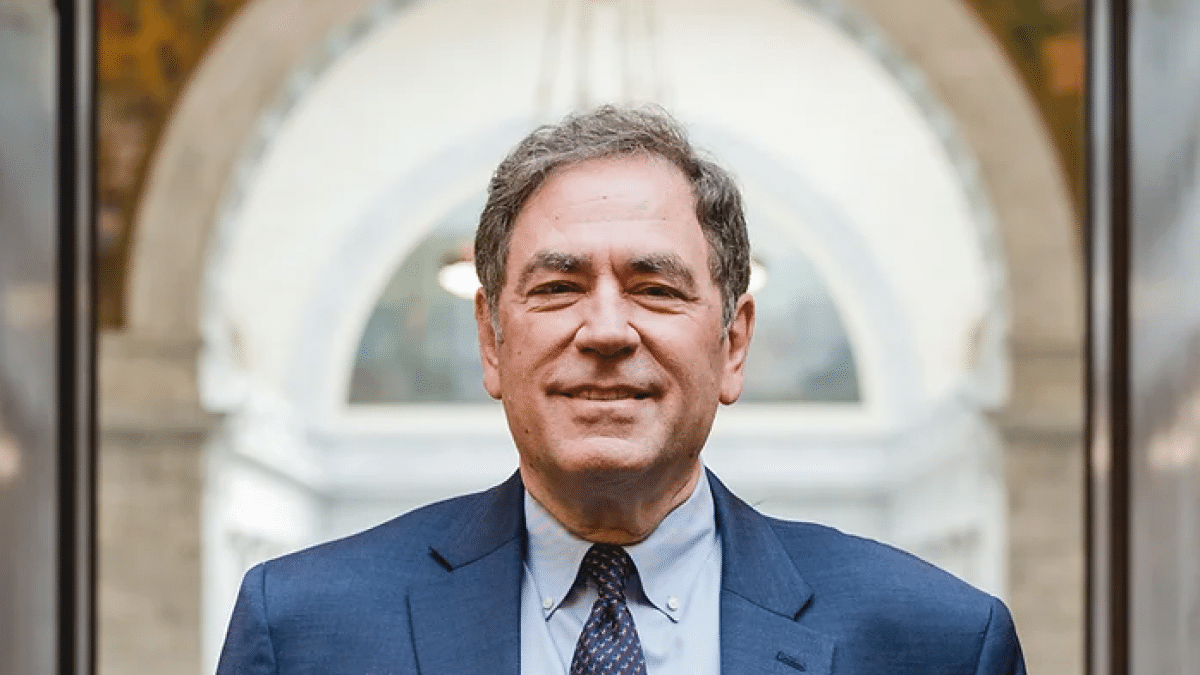
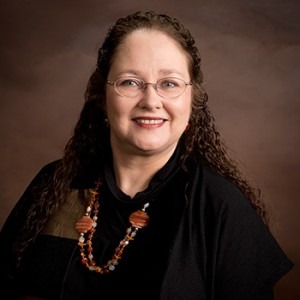
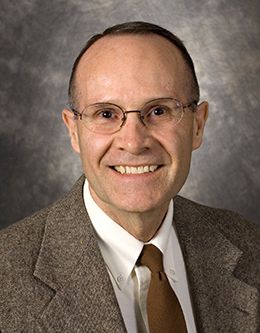
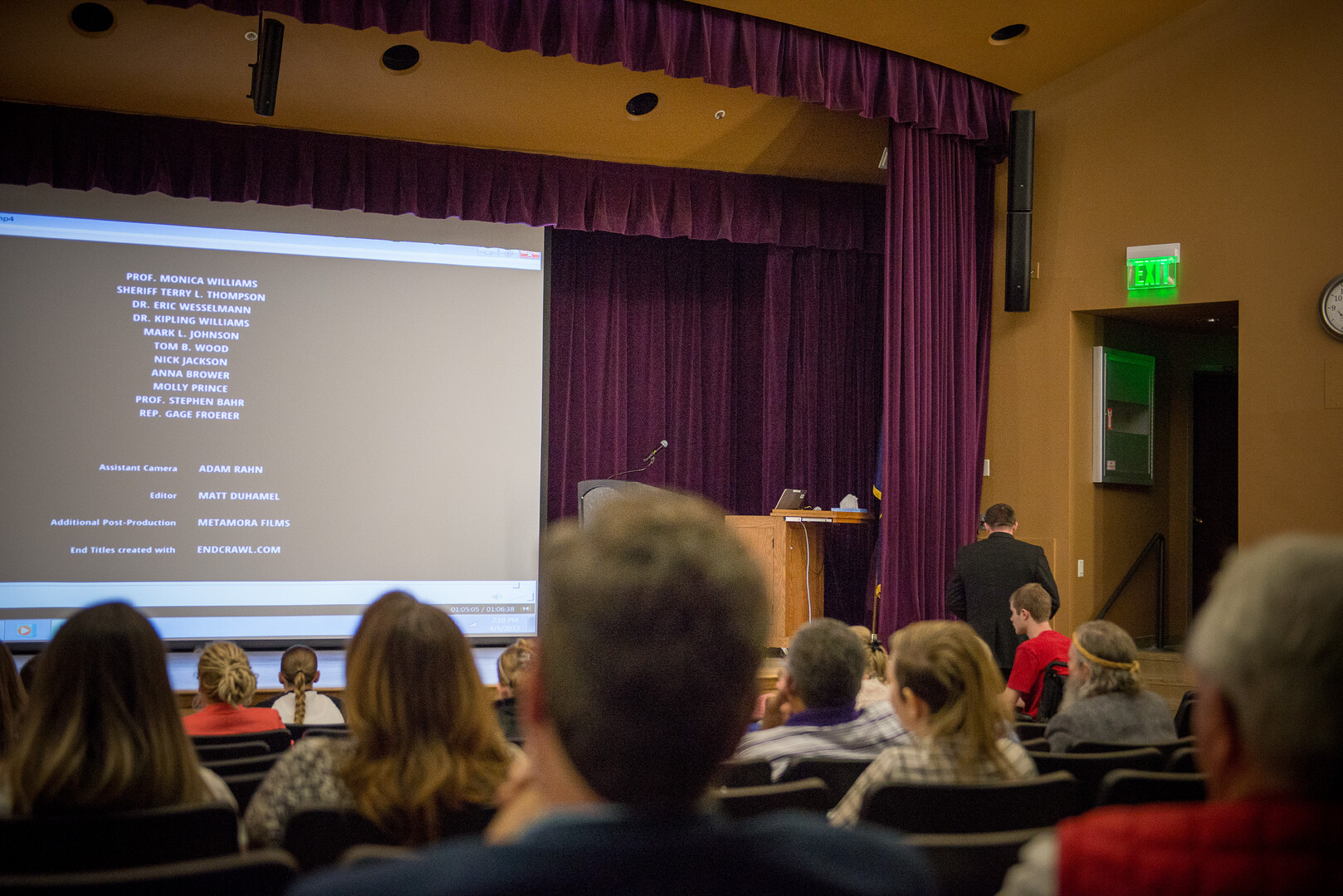
Alongside these personal stories, the documentary includes
perspectives from advocates, professors, landlords,
policymakers, law enforcement, and others involved in the
housing and reentry conversation.