What Makes Me Tic?
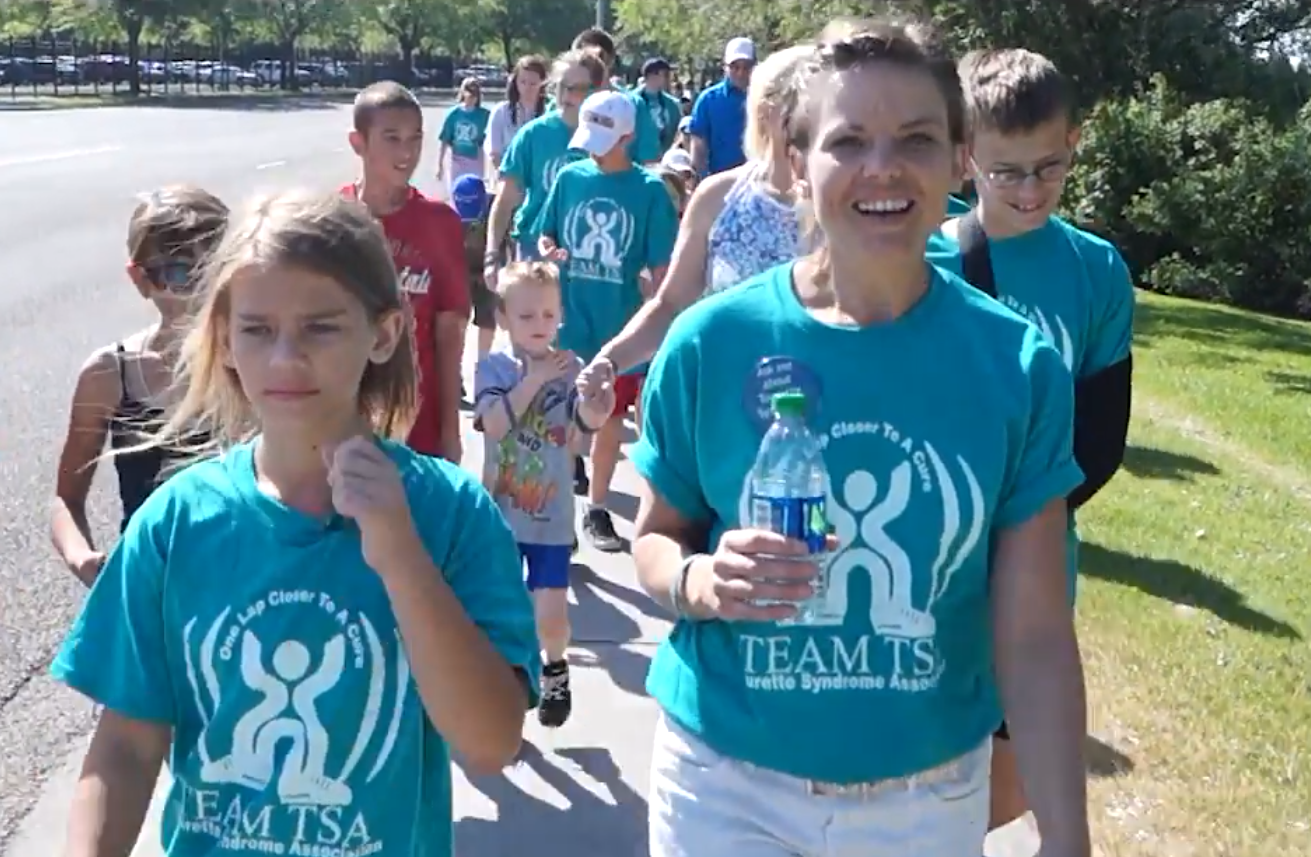
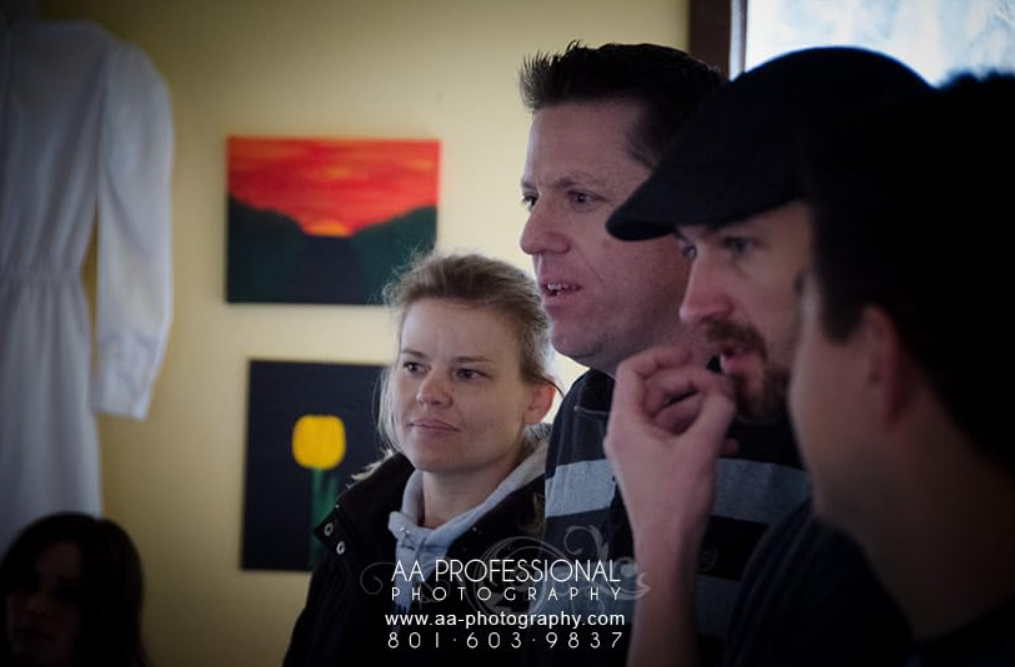
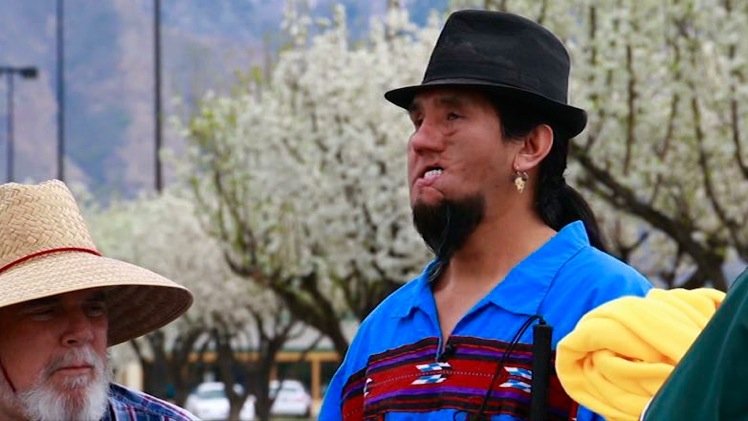
Duhamel’s first documentary followed four people living with Tourette syndrome and explored acceptance, ambition, family, and the realities of living with a condition that is often misunderstood.
Explore the Film →Filmmaker, producer, podcast host, and former broadcaster whose work has evolved toward documentary storytelling, social impact, and criminal justice.
Matt Duhamel has worked across broadcasting, independent film, documentary production, podcasting, and digital media for more than three decades.
His work increasingly explores incarceration, stigma, identity, forgiveness, rebuilding, and the assumptions people make about one another.
Metamora Films
Before Metamora Films, Matt Duhamel spent years working in radio and television. That early career helped shape the communication, production, and storytelling skills that would later carry into documentary filmmaking and podcasting.
Long before documentary filmmaking, Duhamel was working behind microphones, in television studios, and eventually reporting live from the air.
Broadcasting was the first place where storytelling became a profession.
Duhamel began his broadcasting career in 1995 as an afternoon radio disc jockey in West Yellowstone, Montana. Within months, he relocated to Idaho Falls, Idaho, where he joined Z103 and worked as an evening radio personality, live remote host, and production coordinator.
In 1999, his interest in weather led him into television. He joined KIDK in Idaho Falls as a morning weather anchor. After later spending time in Eugene, Oregon, he returned to Idaho Falls and worked as an evening weather anchor.
Duhamel later moved into the Salt Lake City television market, joining KUTV 2News as a traffic reporter and weather fill-in. For a period, he reported traffic live from the station’s news helicopter.
He also continued working in radio during this period before ultimately stepping away from the traditional broadcasting industry in 2005.
The next chapter of Duhamel’s life was not a transition directly from broadcasting into filmmaking.
In 2006, he was arrested, and in 2007 he was convicted of a federal computer-related sex offense. He was incarcerated until 2012.
After release, returning to the broadcasting industry proved difficult. The experience of reentry, professional rejection, stigma, and rebuilding would later become deeply connected to the kinds of stories Duhamel wanted to tell.
It was not until 2013, after release, that Duhamel began developing Metamora Films and returning seriously to creative production.
Rather than returning to traditional broadcasting, he began working independently — producing documentaries, narrative projects, podcasts, and social-impact media.
That work eventually developed into a broader focus on criminal justice, incarceration, stigma, identity, housing, forgiveness, and the complicated process of rebuilding a life after major disruption.
West Yellowstone, Montana
Idaho Falls, Idaho
KIDK · Idaho Falls
Eugene · Salt Lake City
A major career change begins
Life changes dramatically
Beginning again
Independent filmmaking begins
Beginning in 2013, Matt Duhamel developed a body of independent work spanning documentary film, narrative filmmaking, podcasting, social-impact media, and festival coverage.
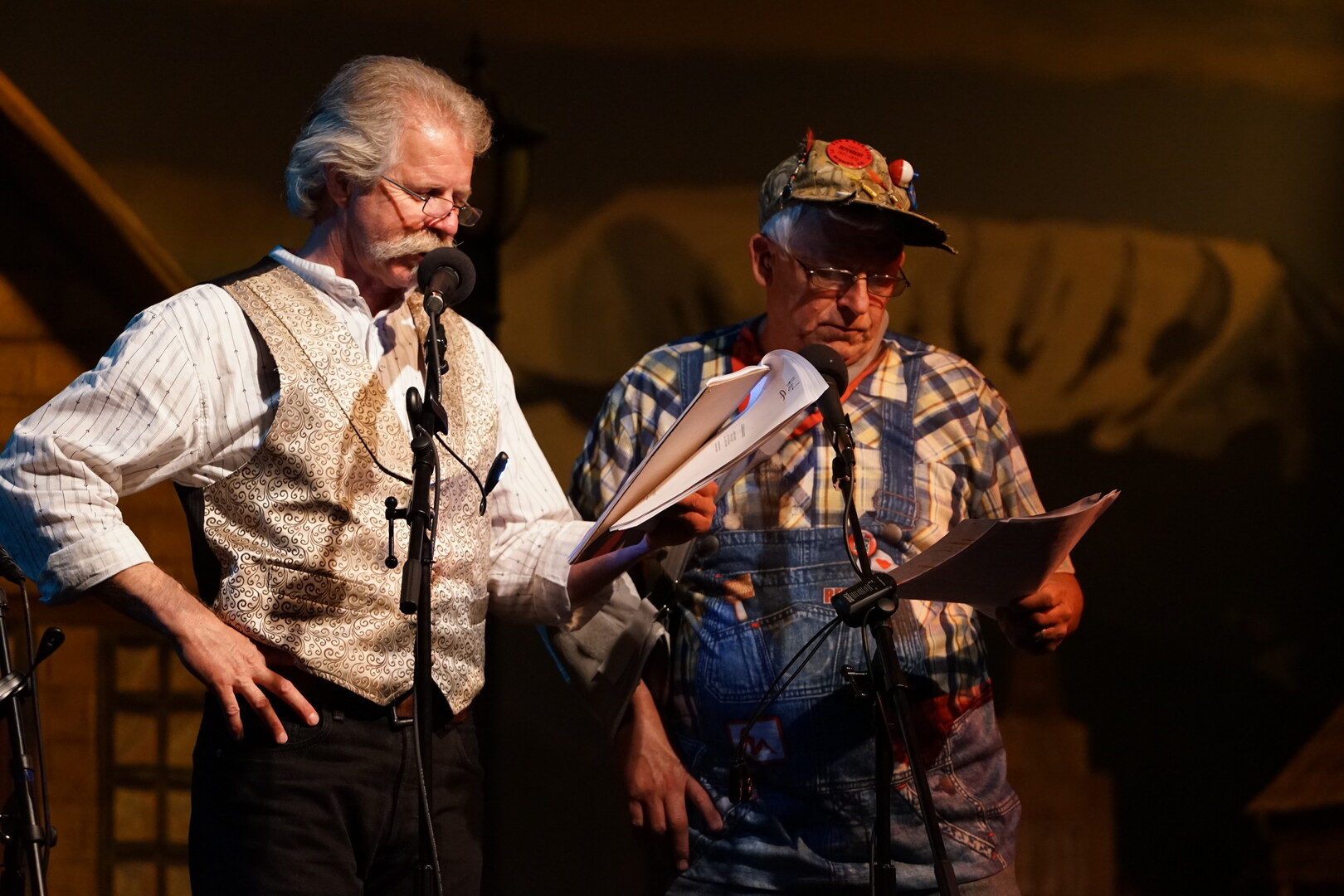
Duhamel’s first documentary followed four people living with Tourette syndrome and explored acceptance, ambition, family, and the realities of living with a condition that is often misunderstood.
Explore the Film →
A short narrative film about a father trying to reconnect with his distant daughter while confronting the consequences of his own past.
Explore the Film →
A feature documentary examining forgiveness through personal stories, expert perspectives, and difficult conversations about loss, accountability, and moving forward.
Explore the Film →
A short documentary project that continued Duhamel’s interest in character-driven nonfiction storytelling and independent production.
Explore the Film →
An interview-driven podcast focused on incarceration, post-prison life, criminal justice reform, stigma, and people rebuilding their lives after involvement with the justice system.
Explore the Podcast →
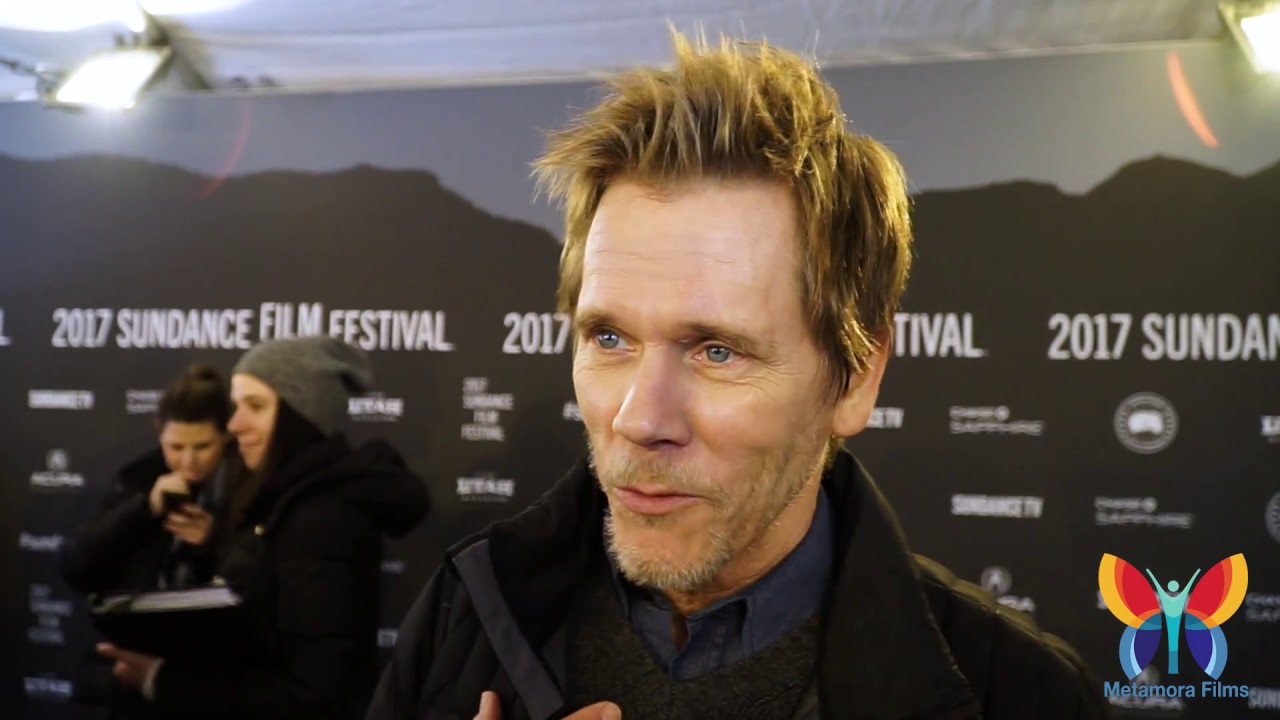
Duhamel returned to his on-camera media roots by covering the Sundance Film Festival in Park City, Utah, with an emphasis on films and conversations connected to thought-provoking, transformative, and socially relevant storytelling.
Read the 2017 Coverage ↗
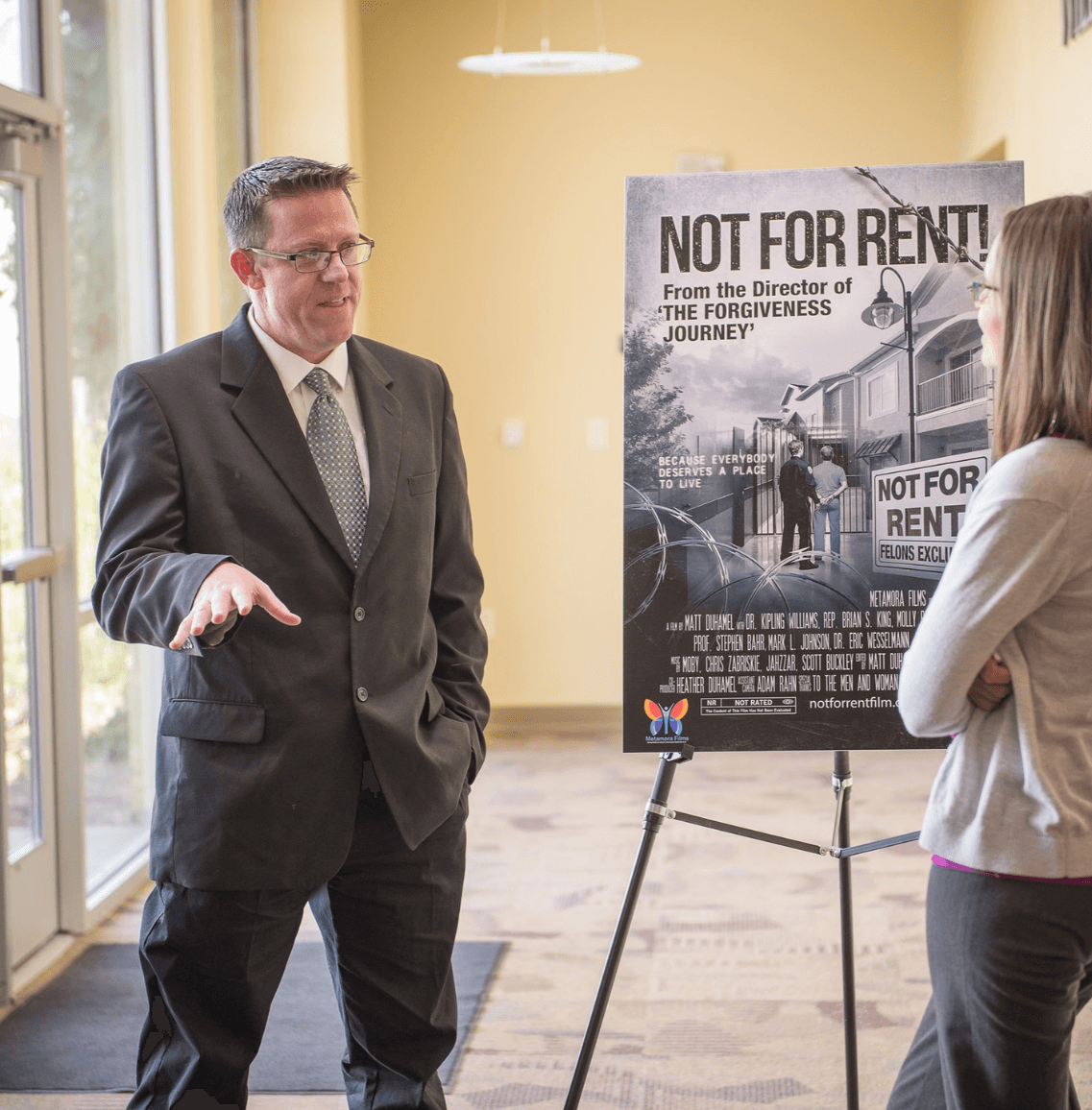
A feature documentary examining the barriers people with felony convictions can face when trying to secure rental housing. The film explored stigma, housing discrimination, reentry, and the long-term consequences of a criminal record.
Explore the Film →
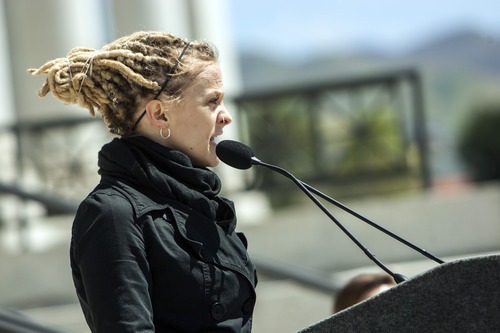
Produced and edited for Connecting 4 Justice, this documentary project centered the voices and experiences of people directly affected by incarceration and the broader criminal justice system.
Explore the Film →These projects represent part of Duhamel’s independent film, podcast, and media work.
View All Previous Work →Metamora Films is continuing to grow, but the goal is about more than producing films. It is also about creating opportunities, challenging stigma, and making room for people with lived experience to help shape the stories being told.
Rebuilding a life after incarceration can mean rebuilding professionally, financially, socially, and personally at the same time.
Rebuilding after incarceration can affect far more than where someone lives or works. It can influence professional opportunities, financial stability, relationships, confidence, and the way other people perceive someone long after a sentence has ended.
Duhamel understands some of those challenges personally. After years of trying to rebuild professionally and financially, he wants Metamora Films to become a place where lived experience can be treated as an asset rather than something that automatically closes a door.
Criminal justice stories are often told about people who have experienced incarceration. Metamora Films wants people with lived experience to have opportunities to help tell those stories as well.
That can include filmmakers, producers, writers, editors, camera crew, production assistants, facilitators, and other creative roles as the company and its projects continue to grow.
The same philosophy applies to the people who appear on camera. A conviction, diagnosis, mistake, or difficult chapter may be part of someone’s life, but it is rarely the whole story.
Metamora Films is interested in spending enough time with people for audiences to see more — family, friendships, work, personality, ambitions, setbacks, ordinary routines, and the complicated process of rebuilding.
Projects such as Versions of Me are being developed around that idea: allowing audiences to understand a person beyond the assumptions or labels that may come first.
Create meaningful paid production opportunities for justice-impacted creatives as Metamora Films grows.
Bring lived experience into the creative process rather than limiting it to the people appearing in front of the camera.
Give audiences enough context to see a person beyond a conviction, label, headline, or single chapter of their life.
Matt Duhamel’s work has appeared across independent film platforms, professional databases, streaming services, festivals, public media, interviews, screenings, and educational settings.
The recognition below represents only selected examples from a larger history of awards, nominations, festival selections, screenings, distribution, published coverage, and media work.
Feature documentary · 2017
Red Finch Film Festival
Recognition for independent documentary work
Including the Logan Film Festival
Films presented in university, conference, educational, and community settings
Independent press and interview coverage in 2016 and 2017
These independent sources provide additional background on Duhamel’s filmmaking, media history, documentaries, and professional work.
Professional filmography and screen credits.
View Profile ↗ FILMMAKER PROFILE FilmFreewayIndependent filmmaker profile and project history.
View Profile ↗ STREAMING PROFILE Amazon Prime VideoMatt Duhamel film and video profile.
View Profile ↗ INTERVIEW CanvasRebelInterview covering Duhamel’s creative path and work.
Read Interview ↗ PUBLIC MEDIA COVERAGE KUER / NPRCoverage of Matt Duhamel and the 2015 documentary The Forgiveness Journey.
Read Coverage ↗ FEATURE PROFILE Utah StoriesFeature on Duhamel’s documentaries, filmmaking, and second chances.
Read Feature ↗ DOCUMENTARY PLATFORM Culture UnpluggedWatch and explore The Forgiveness Journey.
View Film ↗ FILM PLATFORM LetterboxdListing for the short narrative film Last Day with Lizzy.
View Film ↗ PRESS COVERAGE Sundance Film FestivalPublished coverage connected to Duhamel’s 2017 Sundance Film Festival media work.
Read Coverage ↗Matt Duhamel’s films and media work have been covered, listed, screened, and profiled across independent media, professional film databases, streaming platforms, festivals, and documentary sites. These sources provide additional context on the projects and the career behind Metamora Films.
After several challenging years shaped by financial instability, frequent moves, and the long-term realities of rebuilding after incarceration, Matt Duhamel is returning to active filmmaking and continuing to build Metamora Films.
The current focus is Versions of Me, an educational documentary series exploring identity, stigma, reentry, judgment, and the difference between who someone is and how others may see them.
Going forward, Duhamel is also working to build a larger creative team, including opportunities for justice-impacted filmmakers, producers, writers, and crew.