METAMORA FILMS • FIRST DOCUMENTARY • 2013

What Makes Me Tic? Documentary

Hope. Ambition. Acceptance.

A documentary short exploring the lives of four people diagnosed with Tourette’s Syndrome as they navigate misconceptions, physical and vocal tics, personal goals, careers, family, and everyday life.

Rather than reducing Tourette’s to the stereotypes most often seen in popular media, What Makes Me Tic? focuses on people living full and ambitious lives while managing the sometimes difficult effects of a widely misunderstood disorder.

RELEASED December 2013
RUNTIME 40 Minutes
FORMAT Documentary Short
GENRES Documentary · Short · Biography
A FILM MADE DURING REENTRY

Created during a period of rebuilding, this first documentary became an early example of what could be made with limited resources, a highly independent production approach, and a determination to begin again.

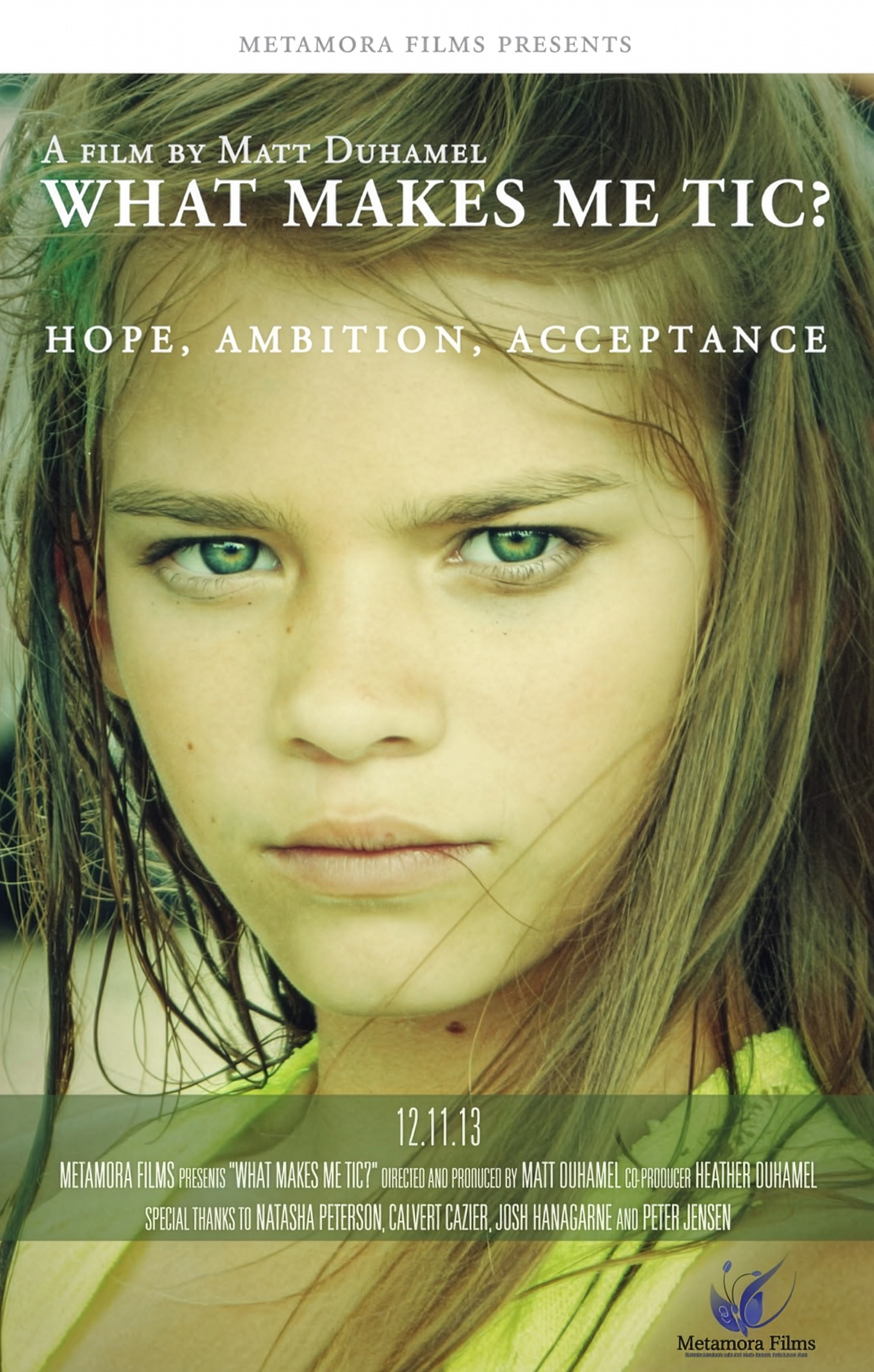
What Makes Me Tic documentary film poster from Metamora Films
ORIGINAL DOCUMENTARY A Film by Matt Duhamel
HOPE AMBITION ACCEPTANCE AWARENESS
FILM SYNOPSIS

Four people. Four very different experiences with Tourette’s.

What Makes Me Tic? Documentary is a 2013 documentary short exploring the lives of four Americans living with Tourette’s Syndrome and the very different ways the disorder affects their bodies, relationships, ambitions, careers, and everyday lives.

Instead of focusing on the stereotype that Tourette’s is simply about uncontrollably shouting obscenities, the film looks at the much broader reality of living with physical and vocal tics. More importantly, it focuses on the people themselves rather than allowing a diagnosis to become their entire identity.

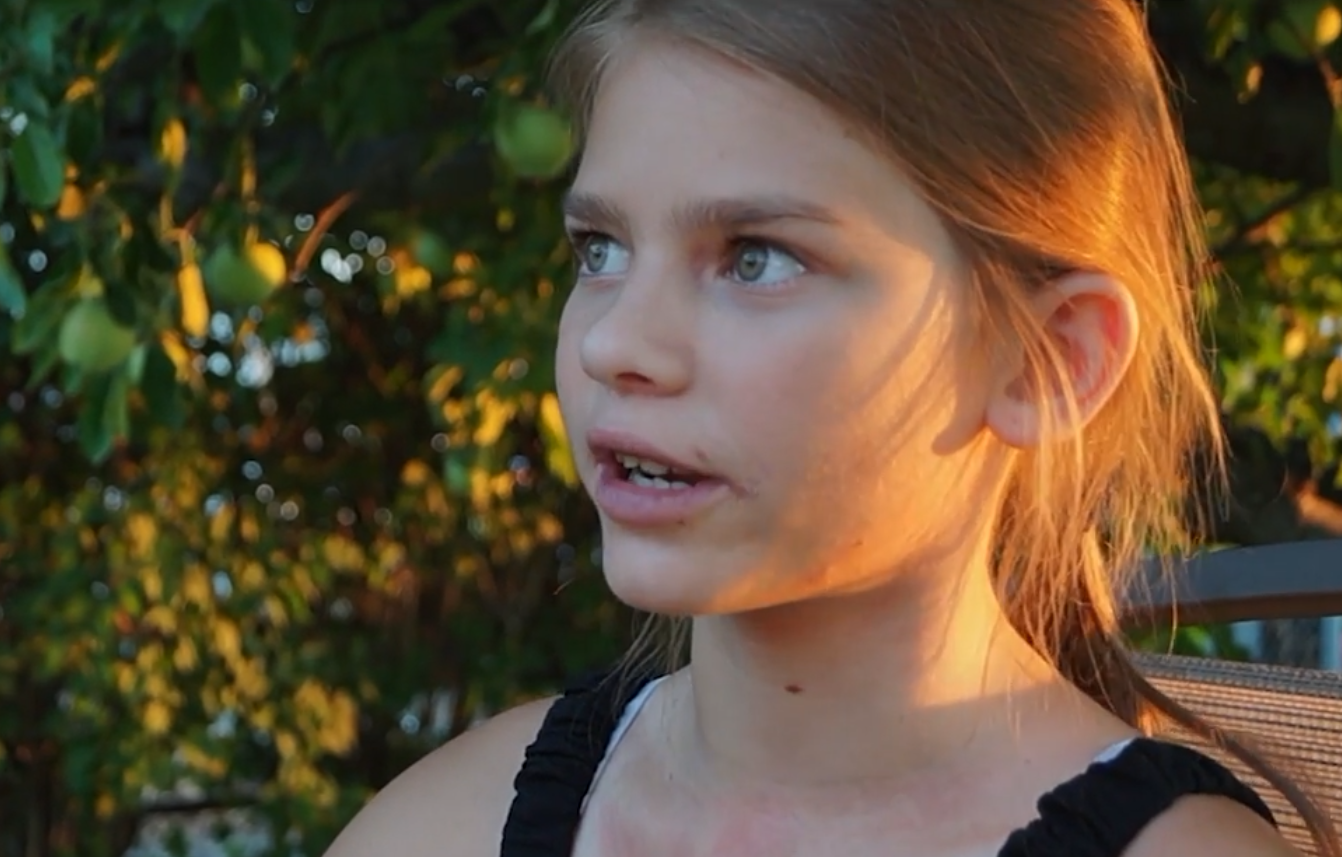
Natasha featured in What Makes Me Tic documentary by Metamora Films
FEATURED STORY Natasha
01
NATASHA

Turning awareness into action.

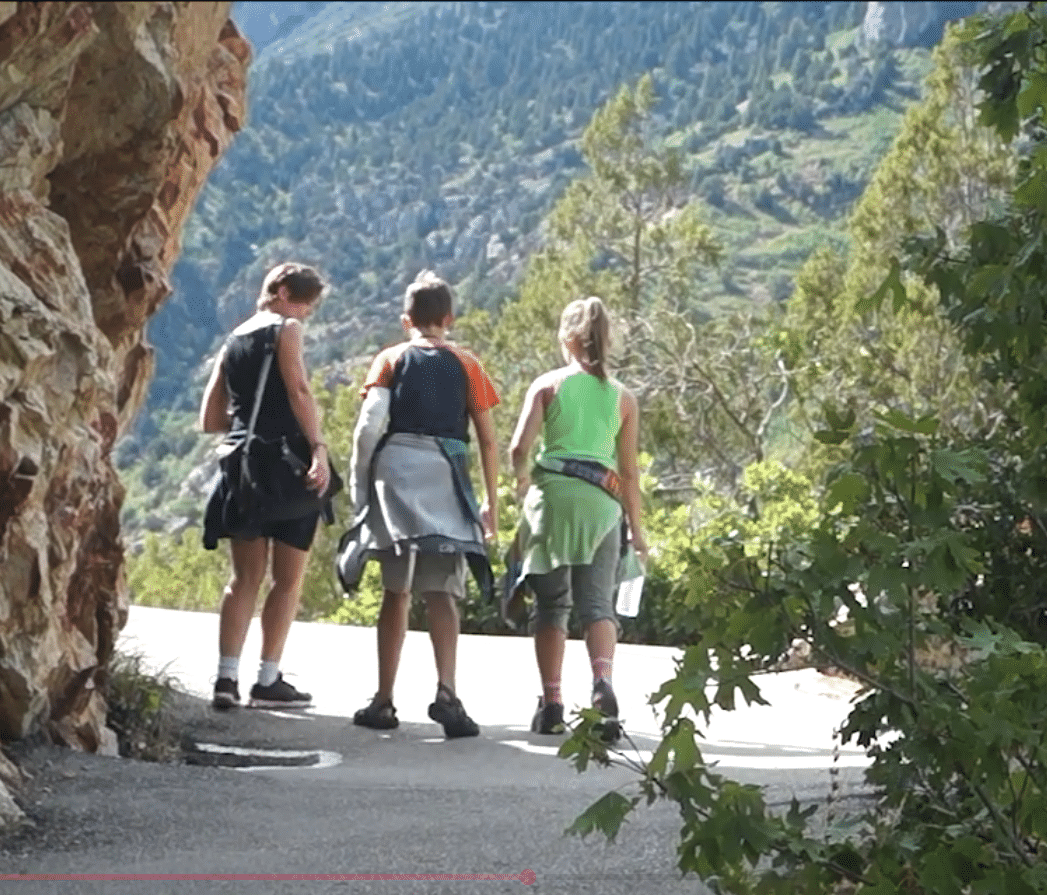
Natasha was diagnosed with Tourette’s Syndrome when she was seven years old. By age twelve, she was already working to increase awareness by organizing a Tourette’s Syndrome Awareness Walk.

Facial and vocal tics were part of her daily life; however, the documentary shows a young person determined not to allow those tics to define who she was or what she could accomplish.

Natasha’s story also had a deeply personal connection to the production. At the time, she was Matt Duhamel’s step-daughter, making her experience one of the original reasons the documentary became a story worth pursuing.
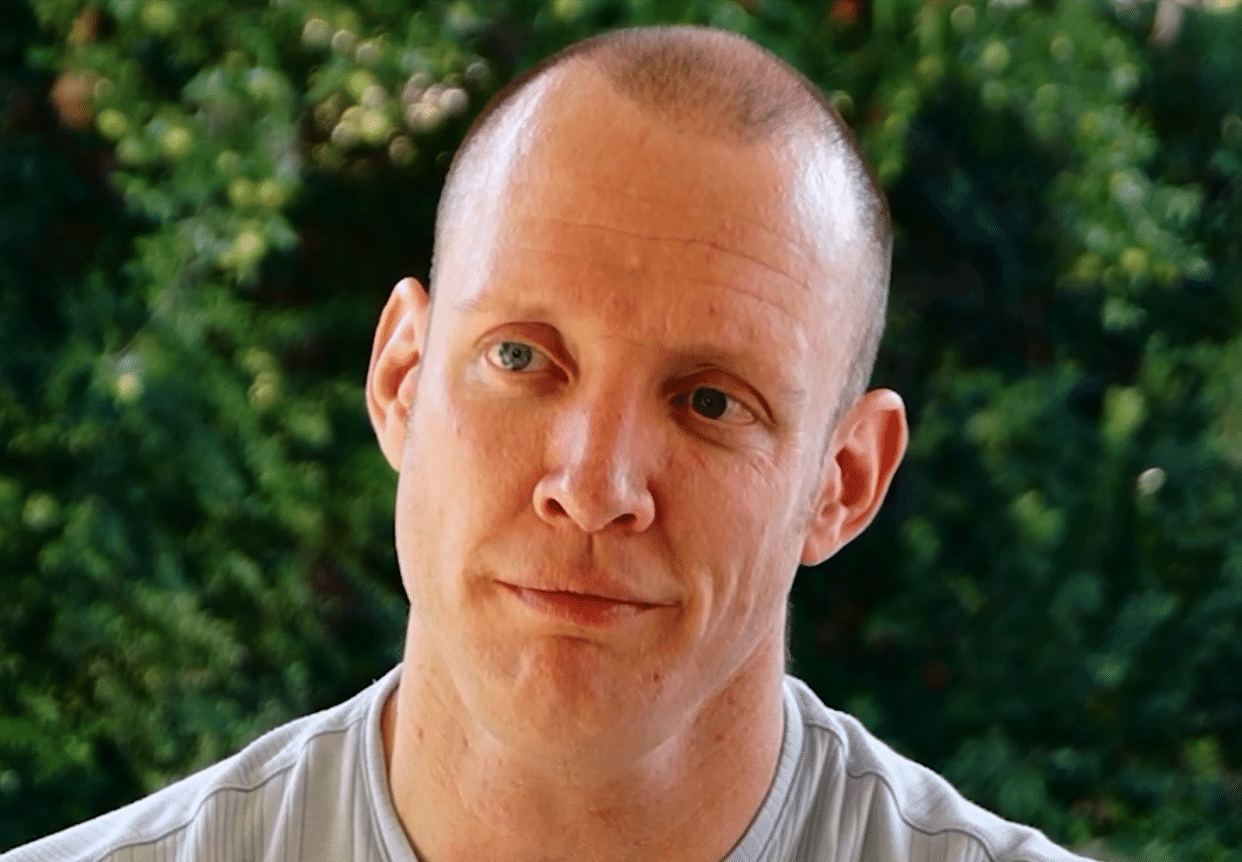
Josh Hanagarne featured in What Makes Me Tic documentary
FEATURED STORY Josh Hanagarne
02
JOSH HANAGARNE

Strength, ambition, and living beyond the diagnosis.

Josh Hanagarne had been living with Tourette’s since childhood. His uncontrollable physical tics had caused damaged teeth, bruises, scars, and other injuries over the years.

Yet Josh’s story is also one of ambition. He built a career as a librarian, pursued strength training, and became known as the “World’s Strongest Librarian.”

His experiences eventually became the basis for his memoir, The World’s Strongest Librarian, giving audiences another example of how Tourette’s could be part of a person’s story without determining the limits of that story.

Explore The World’s Strongest Librarian
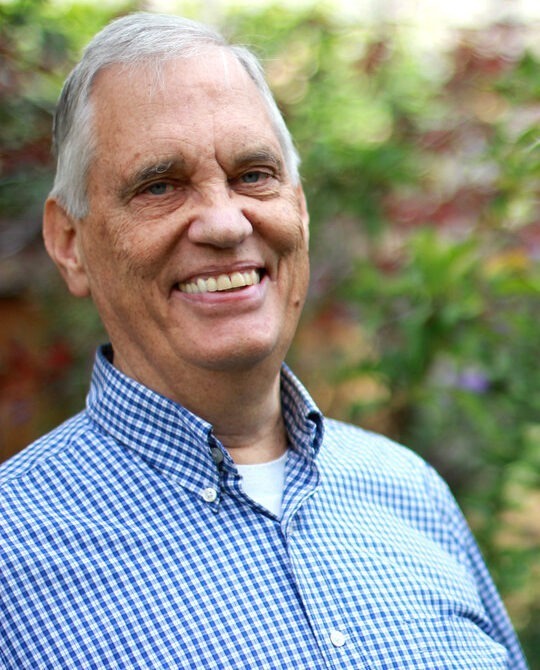
Dr. Calvert F. Cazier featured in What Makes Me Tic documentary
FEATURED STORY Dr. Calvert F. Cazier
03
DR. CALVERT F. CAZIER

Education, advocacy, and helping others understand.

Dr. Calvert F. Cazier was diagnosed with Tourette’s later in life, while in his fifties. His story brought a different perspective to the documentary and showed that recognition and diagnosis do not always happen during childhood.

Around the time of the film, Cazier had completed a PhD from the University of Utah and was involved with the Tourette Syndrome Association’s Utah chapter. He became one of the documentary’s most important voices for awareness and education.

Cazier also helped Metamora Films promote the project and its public screening, making his contribution important both in front of the camera and behind the scenes.

Read More from the Tourette Association
Peter Jensen featured in What Makes Me Tic documentary
FEATURED STORY Peter Jensen
04
PETER JENSEN

A severe case. A story of hope.

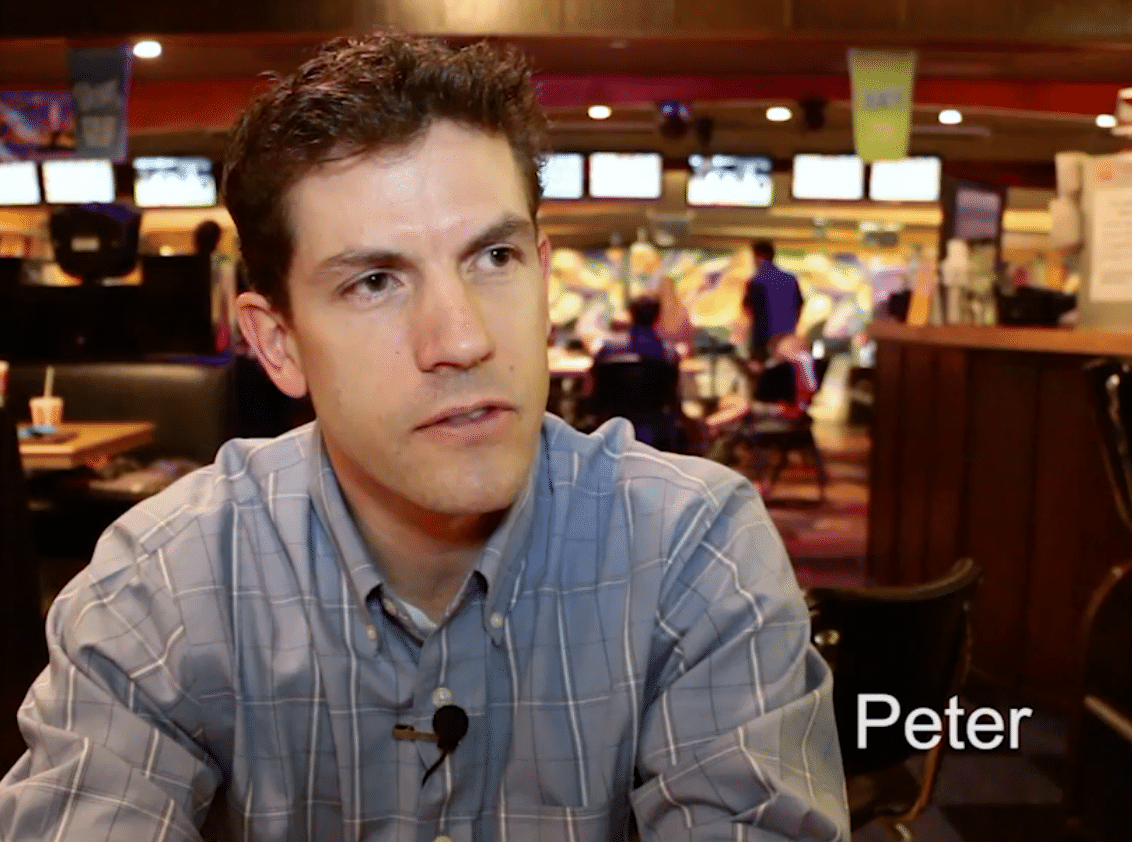
Peter Jensen’s story is one of the most emotional in the film. He had once been diagnosed with an extremely severe case of Tourette’s Syndrome, with physical tics serious enough to cause intense shaking, sweating, and major disruption to everyday life.

Peter later underwent experimental brain surgery in an effort to reduce the severity of those symptoms. His experience had already received national attention before appearing in What Makes Me Tic?.

By the time of the documentary, Peter’s story had become one of perseverance. Rather than allowing his most difficult years to become the end of the story, he looked forward with a message centered on hope and determination.

Read NBC News Coverage of Peter’s Story
ORIGINAL RELEASE

From a small production to a public screening.

What Makes Me Tic? was released in December 2013 and screened at the Tower Theatre in Salt Lake City. For Metamora Films, the event represented an important milestone: the public release of its first documentary film.

The screening also became an opportunity to support the community represented in the film. Attendees helped raise $158 for the Tourette Syndrome Association, Utah Chapter, which at the time was led by Dr. Calvert Cazier.

Dr. Cazier, Peter Jensen, and Dr. David Sphrecher also took part in the event and shared their experiences with the audience. In addition, Larry Bennett contributed music used in the film.

WATCH & ARCHIVE

The documentary is still available today.

Watch the complete 40-minute documentary online through the original Metamora Films YouTube archive, or find the original DVD release through Amazon.

A FILM MADE DURING REENTRY

Someone gave me a chance. Now I want to help create those chances for others.

What Makes Me Tic? was created during a period of reentry, rebuilding, and figuring out what meaningful work could look like after incarceration. Nearly fifteen years later, that experience still shapes how I think about filmmaking, collaboration, and who gets the opportunity to participate in creative work.

Starting with what I had

In 2013, the production was small, independent, and built around the resources that were available to me at the time. Much of the documentary was produced with a camera that cost about $600, and there was no large crew or established production infrastructure behind it.

What I did have was a group of people willing to participate, help, share their stories, and trust me enough to make the film. That opportunity mattered. It gave me a way to create something meaningful during a period when I was still rebuilding my life and trying to understand what could come next.

2026 / 2027

Lived experience belongs behind the camera, too.

As I develop new documentary, educational, and social-impact projects in 2026 and 2027, one of my goals is to create more room for people with lived experience to participate in the filmmaking process itself.

That can include people impacted by incarceration and reentry, as well as people whose lives have been shaped by recovery, disability, family disruption, stigma, or other experiences connected to the stories being told.

The point is not to reduce anyone to a label or a past experience. It is to recognize that lived experience can bring perspective, patience, empathy, and insight to a production while also giving people the opportunity to build skills and create meaningful work.

Learn More About Lived Experience Opportunities
WITH GRATITUDE

My first film only happened because people were willing to give me a chance.

A SPECIAL THANK YOU

Natasha

I especially want to thank Natasha, who was my step-daughter at the time, for allowing me to film such a personal part of her life. She was only twelve and was already navigating Tourette’s Syndrome in a very public way while also trying to raise awareness for other people living with the condition.

She allowed me to document her tics, her daily experiences, and her efforts to organize a Tourette’s awareness walk. Opening up about something so personal on camera gave the documentary much of its emotional foundation, and I remain grateful that she trusted me enough to tell that part of her story.

I also want to thank Heather, who was my wife at the time and helped with production throughout the project. The film would have been much more difficult to complete without her support during those early days.

Alex, my step-son at the time, also agreed to be interviewed for the documentary. My step-kids, my family, my in-laws, and the people around us all became part of the environment that made this first film possible.

I am also grateful to Dr. Calvert Cazier, Peter Jensen, Josh Hanagarne, the additional people who appeared in the film, the production contributors who helped along the way, and everyone who attended the original screening and supported the project.

The support of the Utah Tourette community was especially important. The Utah chapter helped with awareness and promotion, and the screening ultimately became an opportunity to support their work as well.

Tourette Association of Utah on Facebook
THE WORK CONTINUES

Meaningful stories can create opportunities on both sides of the camera.

I was given the chance to make meaningful work during my own period of reentry. As new Metamora Films projects move forward, I want to carry some of that opportunity forward — creating strong films while also finding ways for other people to contribute, grow, and be part of the process.

About Matt Duhamel
What Makes Me Tic documentary film from Metamora Films
FROM THE FIRST FILM TO WHAT COMES NEXT

The work started here. Now a new chapter is beginning.

What Makes Me Tic? was the first documentary from Metamora Films. More than a decade later, the same interest in lived experience, identity, stigma, resilience, and human stories continues to shape the work being developed today.

The next chapter includes Versions of Me, a new educational documentary series exploring identity, social stigma, and what it means to rebuild a life when past experiences continue to influence how other people see you.