Metamora Films Journal
Indie Filmmaking in Portland Oregon
Indie filmmaking in Portland, Oregon offers more than recognizable bridges and forest backdrops. The city gives filmmakers a setting for intimate dramas, personal documentaries, and stories rooted in everyday life. However, turning that creative possibility into a finished film takes preparation.
Whether you are writing your first short or following a documentary participant over several months, start with the story. Then build a production plan around the people, locations, and resources you can realistically access.
This guide explores local filming locations, permits, practical production tips, and filmmakers whose work connects to Portland and the wider Oregon film community.
Why Portland works for independent film
Portland offers visual variety without requiring every scene to feel like a tourism campaign. Residential streets, neighborhood businesses, wooded parks, and riverfront spaces can support very different stories. A familiar location can also look entirely different through framing, season, and time of day.
For narrative filmmakers, that variety creates options for building a believable world. For documentary filmmakers, the more valuable resource may be the people: artists, workers, families, organizers, and residents navigating change.
In addition, Oregon has an established production community. The Oregon Media Production Association directory provides a starting point for finding crew and production services. Meanwhile, Oregon Film’s overview of the state’s filmmaking history places Portland within a much longer creative tradition.
Still, a strong location does not automatically mean an inexpensive shoot. Compare travel, parking, sound conditions, access, and permit needs before choosing your backdrop.
Plan indie filmmaking in Portland, Oregon around access
A manageable project starts with what you can secure. Before polishing a screenplay with six locations, ask whether one apartment, a workplace, and an approved exterior could carry the story.
Similarly, a documentary needs dependable access. A compelling subject is only the beginning. Can you return regularly? Are participants comfortable with filming during ordinary routines? What happens if someone needs a break?
Scout at the same time of day you expect to film. Listen for traffic, refrigerators, ventilation, aircraft, and nearby construction. Then check power, bathrooms, loading access, and space for equipment.
Finally, prepare for changing weather. Rain protection, dry storage, spare clothing, and an interior backup can save a production day. Overcast conditions may suit your visual approach, but changing clouds still affect exposure and continuity.
Portland filming locations and permit routes
These locations are scouting ideas, with creative uses suggested here. Availability and permission must be confirmed for your specific production.
| Location | Possible story use | Where to begin |
|---|---|---|
| Cathedral Park | Architectural scale, riverfront scenes, character introductions | Portland Parks & Recreation for activity in the park; confirm separate authority for bridge access |
| Mt. Tabor Park | Walking scenes, reflective moments, wooded city settings | Portland Parks & Recreation |
| Forest Park | Forest atmosphere, movement through landscape, nature sequences | Portland Parks & Recreation; discuss the exact trail and equipment footprint |
| Neighborhood streets and sidewalks | Establishing shots, street scenes, transitions | Portland Bureau of Transportation for city right-of-way use |
| Privately owned homes, shops, or studios | Controlled dialogue scenes and recurring documentary locations | Property owner; check additional approvals for impacts outside the property |
For indie filmmaking in Portland, Oregon, identifying who controls a location is an essential early step. A park permit does not automatically authorize activity on an adjacent street or bridge.
The Portland Events and Film Office FAQ explains that filming on most municipal property requires permission even for small productions. It also notes that most city permits require production liability insurance.
For streets, sidewalks, and reserved parking, follow PBOT’s current film permitting instructions. PBOT lists a minimum of three business days for applications, although larger or more complicated shoots may need longer. Start earlier whenever possible.
For parks, use the city’s film, video, and photography permit page. It asks applicants to submit at least five days ahead and describes separate B-roll conditions. Confirm current fees, insurance, and any restrictions before committing money. A reduced fee or small crew does not automatically mean permit-free filming.
Narrative filmmaking: write for the production you can finish
A strong independent narrative does not need constant location changes. Instead, build scenes around character choices, tension, and information the audience discovers.
For example, a conversation in a kitchen can reveal a relationship through pauses, interruptions, and what remains unsaid. The location becomes meaningful because of the people inside it.
Rehearse before the shoot. Then create a shot list that distinguishes essential coverage from optional images. This helps you protect the story when time runs short.
Also, group scenes by location and lighting setup. Moving a crew across town can consume time that would be better spent with actors. Whenever possible, invest in good production sound and a crew size appropriate to the work.
Keep continuity notes, photograph important props, and record room tone. These small habits give your editor more usable choices later.
Documentary filmmaking: build trust before collecting footage
Documentary work often begins long before the camera appears. Spend time understanding the participant’s life, the wider context, and why this story matters.
Explain where the film may appear, what participation involves, and which decisions remain with the filmmaker. Then revisit those conversations as the project develops. A signed release should support clear communication, rather than replace it.
Observational filming can reveal details that formal interviews miss: preparing dinner, traveling to work, waiting for an appointment, or sharing an ordinary conversation. However, access to someone’s routine does not make every vulnerable moment appropriate to publish.
For indie filmmaking in Portland, Oregon, local relationships can deepen a documentary’s perspective. Approach organizations and community members with curiosity, and avoid treating people as illustrations of a predetermined argument.
At Metamora Films, filmmaker and founder Matt Duhamel focuses on documentary storytelling connected to stigma, identity, incarceration, and rebuilding. His work reflects an interest in understanding people beyond the labels attached to them.
That approach offers a useful starting question: what will an audience understand about this person that a headline cannot show?
Filmmakers with meaningful Portland connections
Portland’s film identity includes several distinct creative approaches. These examples offer viewing inspiration, rather than a claim that every filmmaker currently lives locally.
Gus Van Sant
Films such as Drugstore Cowboy and My Own Private Idaho are central to his connection with Portland. Watch how settings contribute to character and atmosphere.
Kelly Reichardt and Jonathan Raymond
Reichardt’s collaborations with Portland writer Raymond include First Cow and Showing Up. Their work offers opportunities to study small gestures, patience, and the relationship between people and place. Oregon Film discusses these connections.
Filmmaker spotlight
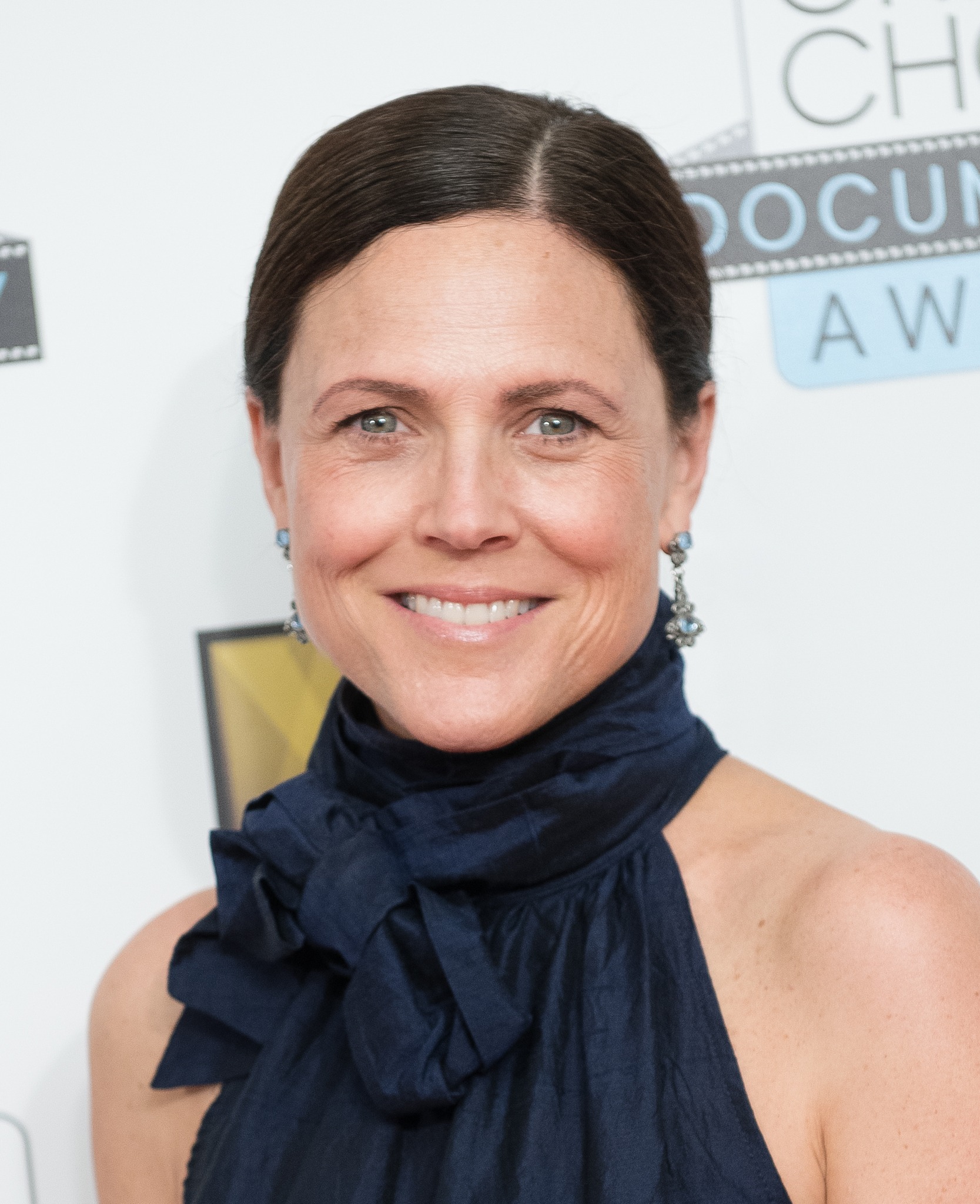
Irene Taylor
The Portland documentary filmmaker’s work includes Hear and Now and Moonlight Sonata: Deafness in Three Movements. Her company, Vermilion Films, provides information about her films and career.
Rather than copying a recognizable style, watch with a practical question: how does each filmmaker direct attention toward something another film might overlook?
Find collaborators, equipment, and learning opportunities
Indie filmmaking in Portland, Oregon becomes more sustainable when you develop relationships beyond one production. Attend screenings, introduce yourself to other filmmakers, and follow through on small commitments.
For crew searches, begin with the OMPA directory. For training and access to production resources, explore Open Signal’s getting-started information. Check its current membership, certification, eligibility, and project requirements before planning around equipment access.
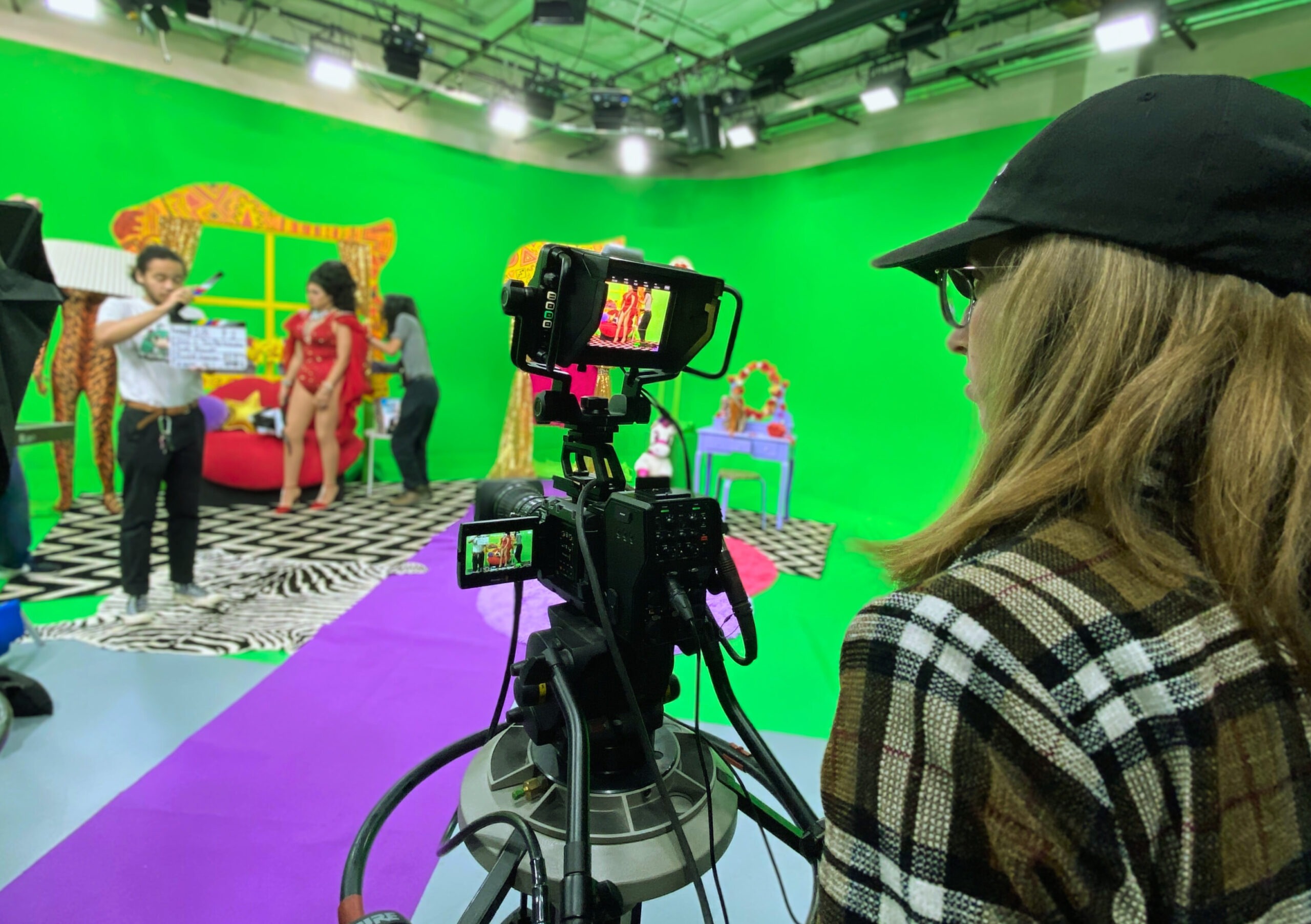
You can also browse Metamora Films’ filmmaker resources for regional and national starting points.
When approaching a collaborator, share a short project description, dates, responsibilities, compensation, and expected deliverables. Clear expectations make collaboration easier for everyone.
Budget for finishing, not just filming
A production budget should include more than a camera rental. Plan for sound, crew, transportation, meals, location costs, insurance, storage, and a contingency reserve.
Then account for editing, sound mixing, color correction, music rights, captions, and delivery files. Otherwise, a film can reach the end of production without the resources needed to finish.
Back up footage to separate drives and verify the copies before clearing cards. For documentaries, organize releases and research alongside footage so important context remains accessible.
Finally, decide who the film is for. Festival submissions, community screenings, educational use, and online release involve different preparation and expenses. Choose an audience strategy while you can still budget for it.
Questions filmmakers often ask
Does a tiny crew need a Portland filming permit?
Crew size alone does not settle the question. Start with the official guidance linked above, then describe your location and activity to the relevant permitting office.
Can I make a documentary with a small camera kit?
Yes. Reliable sound, sufficient batteries, storage, and consistent access can matter more than owning extensive equipment. Choose a setup you can operate confidently while remaining attentive to participants.
What is a good first project?
Try a short story with dependable access and a realistic finish line. For example, follow one person through a meaningful process or write a narrative around one achievable location.
Start with a story worth spending time with
Indie filmmaking in Portland, Oregon rewards preparation, collaboration, and attention to the people who make a place meaningful. Start small enough to finish, while leaving room for discovery.
If your idea connects with documentary or social-impact storytelling, contact Metamora Films to begin a conversation.